
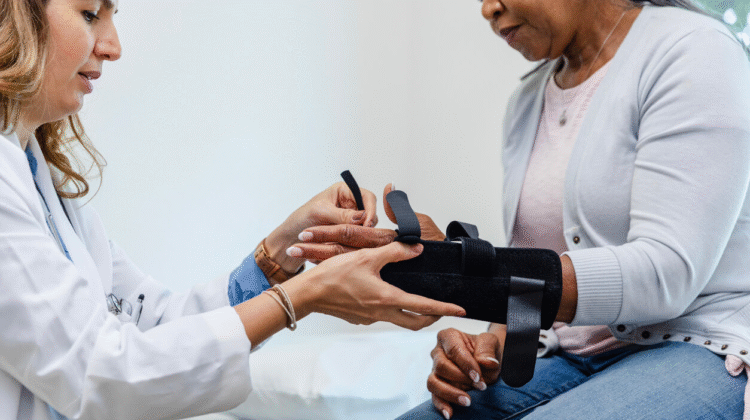
When Should I See an Orthopedic Doctor for Joint Pain?
Joint pain is something almost everyone experiences at some point in life. It can affect the knees, shoulders, hips, hands, or any joint in the body. Sometimes it is mild and goes away on its own, but other times it becomes a serious problem that affects daily life. Many people ignore joint pain or try to manage it with home remedies. However, there comes a time when seeing a specialist becomes important.
An orthopedic doctor is a medical expert who focuses on bones, joints, muscles, ligaments, and tendons. They are trained to diagnose and treat problems related to movement and pain in the musculoskeletal system. But how do you know when it is the right time to visit one?
This article will help you understand when you should see an orthopedic doctor for joint pain, what signs to look for, and why early treatment matters. Everything is explained in simple and easy language so you can make the right decision for your health.
Understanding Joint Pain
Joint pain can happen for many reasons. It may be caused by injury, overuse, aging, arthritis, infections, or medical conditions. Sometimes it appears suddenly after an accident, while other times it develops slowly over time.
Common symptoms of joint pain include:
- Swelling around the joint
- Stiffness or difficulty moving
- Redness or warmth
- Clicking or grinding sounds
- Weakness in the joint
- Pain during movement or rest
Mild joint pain may improve with rest, ice, or pain relief medicines. But if the pain continues or becomes worse, it should not be ignored.
When Should You See an Orthopedic Doctor for Joint Pain?
Knowing the right time to see a specialist can prevent long-term damage. Here are the most important signs that you should not ignore:
1. When Pain Lasts More Than a Few Days
If your joint pain does not improve after 3–5 days of rest and home care, it is time to see an orthopedic doctor. Pain that continues for weeks may indicate an underlying problem that needs treatment.
2. When Pain Gets Worse Over Time
If the pain is slowly increasing instead of improving, it may be a sign of joint damage or inflammation. Ignoring worsening pain can lead to more serious conditions.
3. When You Have Difficulty Moving the Joint
If you find it hard to bend, stretch, or move a joint normally, it is a warning sign. Limited movement can be caused by arthritis, ligament injury, or cartilage damage.
4. After an Injury or Accident
If you fall, get hurt during sports, or experience any trauma and feel joint pain afterward, you should see a doctor. Even if the pain seems small, internal injuries can be serious.
5. When There Is Swelling or Deformity
Visible swelling, bruising, or changes in joint shape are strong signs that something is wrong. These symptoms should always be checked by a specialist.
6. When Pain Interferes with Daily Life
If joint pain makes it difficult to walk, work, sleep, or perform daily tasks, you should not delay medical help. Pain that affects your quality of life needs proper treatment.
7. When Home Remedies Do Not Work
If rest, ice packs, exercise, or over-the-counter medicines do not help, it means the problem is deeper than simple inflammation.
8. When You Hear Clicking or Grinding Sounds
Unusual sounds in joints, especially with pain, may indicate cartilage wear or joint degeneration. This should be checked early to prevent further damage.
9. If You Have a History of Arthritis
People with arthritis or family history of joint diseases should be more careful. Even small pain can indicate progression of the condition.
10. When You Experience Numbness or Weakness
If joint pain comes with numbness, tingling, or muscle weakness, it could mean nerve involvement. This requires immediate attention.
Why You Should Not Delay Seeing an Orthopedic Doctor
Many people ignore joint pain thinking it will go away on its own. However, delaying treatment can lead to serious problems such as:
- Permanent joint damage
- Loss of movement
- Chronic pain
- Need for surgery
- Reduced quality of life
Early diagnosis helps doctors treat the problem before it becomes worse. In many cases, simple treatments like physical therapy, medication, or lifestyle changes can make a big difference.
What Happens During an Orthopedic Visit?
If you visit an orthopedic doctor, they will usually:
- Ask about your symptoms and medical history
- Examine the affected joint
- Recommend tests like X-rays or MRI if needed
- Suggest treatment options
Treatment may include medication, exercises, physical therapy, injections, or in severe cases, surgery. The goal is to reduce pain and improve movement.
How to Take Care of Joint Pain at Home (Before Seeing a Doctor)
While waiting for your appointment or for mild pain, you can try:
- Resting the joint
- Applying ice or heat
- Gentle stretching exercises
- Avoiding heavy activities
- Using pain relief medicines if needed
However, these are temporary solutions and should not replace medical advice if pain continues.
Preventing Joint Pain
Prevention is always better than treatment. You can reduce the risk of joint pain by:
- Maintaining a healthy weight
- Exercising regularly
- Eating a balanced diet rich in calcium and vitamin D
- Avoiding injury during sports or physical activity
- Keeping good posture
- Staying active but not overworking joints
Healthy habits can keep your joints strong for a long time.
Final Thoughts
Joint pain may seem like a small issue at first, but it can sometimes be a sign of a bigger problem. Knowing when to see an orthopedic doctor is very important for protecting your long-term health.
If your pain lasts too long, gets worse, or affects your daily life, do not ignore it. Early medical care can help you recover faster and prevent serious complications. Listening to your body is the key to staying healthy and active.
FAQs
1. What is an orthopedic doctor?
An orthopedic doctor is a specialist who treats problems related to bones, joints, muscles, and ligaments.
2. Can joint pain go away without treatment?
Mild joint pain may improve with rest, but persistent pain usually needs medical attention.
3. Is joint pain always a sign of arthritis?
No, joint pain can be caused by injury, overuse, infection, or other conditions, not just arthritis.
4. When should I worry about joint pain?
You should worry if pain lasts more than a few days, worsens, or affects movement and daily life.
5. Can exercise help joint pain?
Yes, gentle exercise can help strengthen joints, but it should be done under proper guidance if pain is present.
