
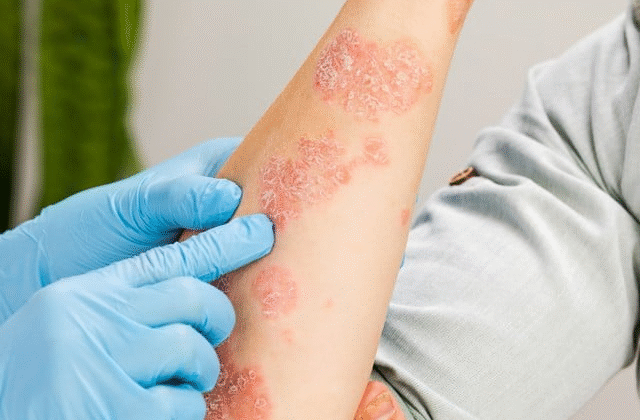
When Should I See a Dermatologist for Skin Problems?
Skin is the largest organ of the human body, and it plays a very important role in protecting us from infections, heat, sunlight, and harmful substances. Because our skin is exposed to so many external factors every day, it is very normal to experience different kinds of skin problems from time to time. Some issues are minor and go away on their own, while others may need professional medical attention.
A common question many people ask is: “When should I see a dermatologist for skin problems?” This is an important question because delaying treatment can sometimes make skin conditions worse or harder to treat later. A dermatologist is a medical doctor who specializes in diagnosing and treating skin, hair, and nail conditions. Knowing when to visit one can help you protect your health and improve your confidence.
In this article, we will explain in simple words when you should consider seeing a dermatologist, what signs to look for, and why early treatment is important.
1. When Skin Problems Last Too Long
One of the first signs that you should see a dermatologist is when a skin problem does not go away. For example, a small rash, acne, or dry patch may seem harmless at first. However, if it continues for more than two weeks or keeps coming back, it may need medical attention.
Sometimes people try home remedies or over-the-counter creams for a long time, hoping the problem will disappear. While this can work for minor issues, persistent skin problems often need professional diagnosis.
If your skin issue is not improving or is slowly getting worse, it is time to ask yourself: When should I see a dermatologist for skin problems? The answer is—sooner rather than later.
2. Severe or Painful Acne
Acne is very common, especially among teenagers and young adults. However, not all acne is the same. Mild acne can usually be treated with simple skincare routines, but severe acne, cystic acne, or painful breakouts need medical care.
You should see a dermatologist if:
- Acne is painful or deep under the skin
- You have large cysts or nodules
- Acne leaves scars or dark marks
- Over-the-counter treatments are not working
A dermatologist can prescribe stronger medications or treatments that are not available in regular stores. Early treatment can also prevent permanent scarring.
3. Sudden Changes in Moles or Skin Spots
Moles are usually harmless, but changes in them can sometimes be a warning sign of skin cancer. You should never ignore changes in your skin.
Visit a dermatologist if you notice:
- A mole changing in size, shape, or color
- A mole becoming itchy or bleeding
- New dark or unusual spots appearing
- Irregular or uneven borders on a mole
A simple skin check can help detect serious conditions early. This is one of the most important reasons to understand when should I see a dermatologist for skin problems.
4. Persistent Itching or Rashes
Itching is common, but if it becomes constant or severe, it could be a sign of a deeper issue like eczema, allergies, fungal infections, or other skin conditions.
You should see a dermatologist if:
- The itching lasts for weeks
- The rash spreads quickly
- The skin becomes swollen, cracked, or painful
- You cannot sleep or focus due to itching
Ignoring these symptoms may make the condition worse and harder to treat.
5. Hair Loss or Scalp Problems
Skin problems are not only on the body—they also affect the scalp and hair. Many people ignore early signs of hair loss, thinking it is normal. However, sudden or excessive hair loss may need medical attention.
A dermatologist can help if you experience:
- Sudden hair thinning or bald patches
- Severe dandruff or scalp itching
- Scalp redness or inflammation
- Hair loss after illness or stress
Treating hair problems early increases the chances of regrowth and recovery.
6. Skin Infections That Do Not Heal
Skin infections can be caused by bacteria, fungi, or viruses. While some minor infections can heal on their own, others need treatment.
You should see a dermatologist if you notice:
- Red, swollen, or painful skin
- Pus or fluid coming from a wound
- Infection spreading to other areas
- Fever along with skin symptoms
Delaying treatment can allow the infection to spread and become more serious.
7. Allergic Reactions
Allergic reactions can happen due to food, medication, skincare products, or environmental factors. Some reactions are mild, but others can be severe.
You should consult a dermatologist if:
- You get frequent skin allergies
- Your face or body swells after exposure to something
- You develop hives or blisters
- You cannot identify the cause of the allergy
A dermatologist can help identify triggers and prevent future reactions.
8. Cosmetic Concerns and Skin Health
Not all visits to a dermatologist are because of illness. Many people visit for cosmetic concerns such as:
- Uneven skin tone
- Dark spots or pigmentation
- Wrinkles and aging skin
- Large pores or rough texture
A dermatologist can suggest safe treatments like creams, laser therapy, or medical procedures to improve skin appearance.
9. When Over-the-Counter Products Don’t Work
Many people try different creams, soaps, or treatments available in stores. If you have used multiple products without success, it may be time to seek professional help.
Repeated trial and error can sometimes damage your skin further. A dermatologist can find the root cause instead of just treating symptoms.
10. Why Early Consultation Matters
Understanding when should I see a dermatologist for skin problems is important because early treatment:
- Prevents conditions from getting worse
- Reduces risk of scarring or permanent damage
- Saves time and money in the long run
- Improves skin health faster
Many serious skin conditions start small, so early action is always better.
Final Thoughts
Skin problems are common, but not all of them should be ignored. While minor issues can often be managed at home, persistent, painful, or unusual symptoms should always be checked by a professional.
A dermatologist can provide accurate diagnosis, effective treatment, and long-term solutions for healthy skin. If you are ever unsure, it is always better to seek medical advice rather than wait.
So next time you wonder, “When should I see a dermatologist for skin problems?” remember: if your skin is bothering you, not healing, or changing in a strange way, it is time to get it checked.
FAQs
1. What is a dermatologist?
A dermatologist is a doctor who specializes in treating skin, hair, and nail problems.
2. Can I treat all skin problems at home?
No, mild issues can be treated at home, but persistent or severe problems need professional care.
3. Is acne always treated by a dermatologist?
Not always, but severe or long-lasting acne should be treated by a dermatologist.
4. How often should I visit a dermatologist?
You should visit when you notice unusual or persistent skin issues, or once a year for a general skin check.
5. Can skin problems be serious?
Yes, some skin changes can be signs of serious conditions like infections or even skin cancer, so early diagnosis is important.
