
What Tests Are Done During a Cardiology Appointment?
Heart health is one of the most important parts of overall wellness. When people feel chest pain, shortness of breath, dizziness, or an irregular heartbeat, they are often referred to a cardiologist. A cardiologist is a doctor who specializes in the heart and blood vessels. Many people feel nervous before their first cardiology appointment because they do not know what to expect. One common question is: what tests are done during a cardiology appointment?
The answer depends on your symptoms, age, medical history, and overall health. Some patients may only need a simple physical exam and blood pressure check, while others may require more detailed heart tests. These tests help the cardiologist understand how your heart is working and whether there are any hidden problems.
In this article, we will explain the most common tests performed during a cardiology appointment in simple and easy words.
Why Do You Need a Cardiology Appointment?
People visit a cardiologist for many reasons. Sometimes a family doctor notices signs of a heart problem. Other times, patients experience symptoms that need special attention.
You may need a cardiology appointment if you have:
- Chest pain
- High blood pressure
- Shortness of breath
- Fast or irregular heartbeat
- Dizziness or fainting
- High cholesterol
- Swelling in the legs
- Family history of heart disease
- Diabetes or obesity
The cardiologist’s main goal is to check your heart health and prevent serious conditions such as heart attacks or strokes.
What Happens During the First Visit?
Before any tests are done, the cardiologist usually asks questions about your health history. They may ask:
- What symptoms are you feeling?
- When did the symptoms start?
- Do you smoke?
- Do you exercise regularly?
- Does anyone in your family have heart disease?
- What medications do you take?
The doctor will also perform a basic physical examination. This includes checking your blood pressure, pulse, breathing, weight, and listening to your heart with a stethoscope.
After this, the doctor may recommend one or more heart tests.
Common Tests Done During a Cardiology Appointment
1. Electrocardiogram (ECG or EKG)
An electrocardiogram is one of the most common heart tests. It records the electrical activity of your heart.
Small sticky patches called electrodes are placed on your chest, arms, and legs. These electrodes connect to a machine that creates a graph of your heartbeats.
What Does It Detect?
An ECG can help find:
- Irregular heart rhythms
- Heart attacks
- Poor blood flow
- Enlarged heart muscles
- Electrical problems in the heart
Is It Painful?
No. The test is quick, safe, and painless. It usually takes only a few minutes.
2. Blood Pressure Test
High blood pressure is a major cause of heart disease. During your appointment, the nurse or doctor checks your blood pressure using a cuff around your arm.
Why Is It Important?
High blood pressure can damage arteries and increase the risk of:
- Heart attack
- Stroke
- Kidney disease
- Heart failure
Regular blood pressure checks help doctors monitor your heart health over time.
3. Blood Tests
Blood tests are often ordered to learn more about your heart and overall health.
Common Blood Tests Include:
- Cholesterol levels
- Blood sugar levels
- Kidney function
- Thyroid function
- Cardiac enzymes
Why Are They Done?
These tests can show risk factors for heart disease and help doctors decide the best treatment plan.
4. Echocardiogram
An echocardiogram is an ultrasound of the heart. It uses sound waves to create moving pictures of the heart.
What Happens During the Test?
A technician places gel on your chest and moves a small device called a transducer over your skin.
What Can It Show?
An echocardiogram helps doctors see:
- Heart size and shape
- Heart valve problems
- Weak heart muscles
- Blood flow inside the heart
- Heart pumping strength
This test is painless and usually takes 30 to 60 minutes.
5. Stress Test
A stress test checks how your heart works during physical activity.
How Is It Done?
You may walk on a treadmill or ride a stationary bike while your heart rate, blood pressure, and ECG are monitored.
If you cannot exercise, medication may be used to make your heart work harder temporarily.
Why Is It Important?
A stress test can detect:
- Blocked arteries
- Reduced blood flow
- Exercise-related heart problems
- Abnormal heart rhythms
Doctors often use this test when patients complain of chest pain or shortness of breath.
6. Holter Monitor
Some heart problems happen only occasionally and may not appear during a short ECG test. In this case, the doctor may recommend a Holter monitor.
What Is It?
A Holter monitor is a small portable device that records your heart rhythm for 24 to 48 hours or longer.
You wear it while doing normal daily activities.
What Does It Detect?
It can help find:
- Irregular heartbeats
- Sudden fast heart rates
- Heart rhythm changes during sleep or exercise
This test gives doctors a clearer picture of your heart activity throughout the day.
7. Chest X-Ray
A chest X-ray helps doctors view the heart, lungs, and blood vessels.
Why Is It Done?
It may show:
- Enlarged heart
- Fluid around the lungs
- Lung problems causing breathing issues
Although it does not provide detailed heart information, it is useful for checking overall chest health.
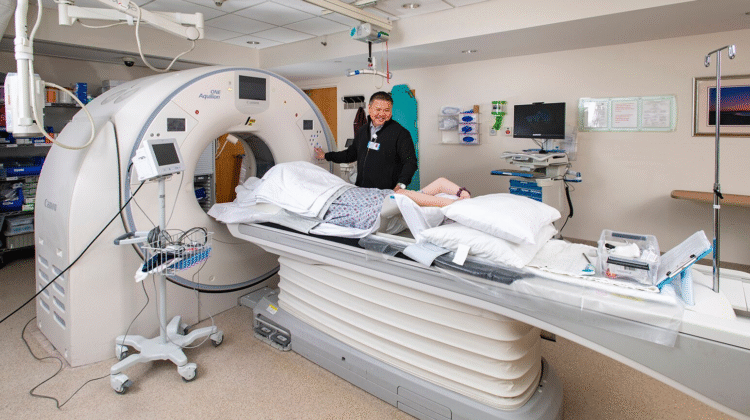
8. Cardiac CT Scan
A cardiac CT scan uses advanced imaging technology to create detailed pictures of the heart and arteries.
What Can It Detect?
Doctors use it to check for:
- Blocked arteries
- Calcium buildup
- Heart structure problems
This test is often recommended for people at risk of coronary artery disease.
9. Cardiac MRI
A cardiac MRI uses magnets and radio waves to create detailed images of the heart.
Why Is It Helpful?
It can show:
- Heart muscle damage
- Blood flow problems
- Congenital heart defects
- Inflammation in the heart
This test provides highly detailed information and helps doctors diagnose complex heart conditions.
10. Coronary Angiography
This is a more advanced test used when doctors suspect blocked heart arteries.
How Is It Performed?
A thin tube called a catheter is inserted into a blood vessel, usually in the arm or groin. Dye is injected into the arteries, and X-ray images are taken.
What Does It Show?
It helps identify:
- Narrowed arteries
- Blockages
- Blood flow problems
This test is often used before treatments like stents or heart surgery.
Are These Tests Safe?
Most cardiology tests are very safe. Simple tests like ECGs, blood pressure checks, and echocardiograms have little or no risk.
More advanced tests may involve small risks, especially if contrast dye or radiation is used. However, cardiologists carefully evaluate each patient before recommending these tests.
How Should You Prepare for Heart Tests?
Preparation depends on the type of test. Your doctor may ask you to:
- Avoid eating before the test
- Stop caffeine temporarily
- Wear comfortable clothes
- Avoid smoking
- Bring a list of medications
Always follow your doctor’s instructions carefully for accurate results.
What Happens After the Tests?
After reviewing the results, the cardiologist explains your heart condition and recommends treatment if needed.
Treatment may include:
- Lifestyle changes
- Exercise plans
- Healthy diet
- Medication
- Further testing
- Medical procedures
Early detection is very important because many heart conditions can be treated successfully when found early.
Tips for a Healthy Heart
Even if your tests are normal, protecting your heart should remain a priority.
Here are some simple ways to improve heart health:
- Eat more fruits and vegetables
- Exercise regularly
- Avoid smoking
- Limit salty and sugary foods
- Maintain a healthy weight
- Sleep well
- Manage stress
- Visit your doctor regularly
Small healthy habits can make a big difference over time.
Final Thoughts
Understanding what tests are done during a cardiology appointment can help reduce fear and stress before your visit. Cardiologists use many different tests to check the health of your heart, blood vessels, and circulation system. Some tests are quick and simple, while others provide more detailed information about heart function.
These tests help doctors detect heart problems early and create the best treatment plan for each patient. If your doctor recommends seeing a cardiologist, it is important not to ignore the appointment. Taking care of your heart today can help prevent serious health problems in the future.
FAQs
1. How long does a cardiology appointment take?
A regular cardiology appointment usually lasts between 30 minutes and 1 hour. Some tests may require additional time.
2. Are heart tests painful?
Most heart tests are painless. You may feel slight discomfort during certain procedures, but serious pain is uncommon.
3. Do I need to fast before heart tests?
Some tests require fasting for several hours, especially blood tests or imaging scans. Your doctor will provide instructions beforehand.
4. Can heart problems be detected early?
Yes. Many cardiology tests are designed to detect heart disease early before symptoms become severe.
5. What should I bring to a cardiology appointment?
Bring your medical records, medication list, insurance information, and notes about your symptoms or family history.
