
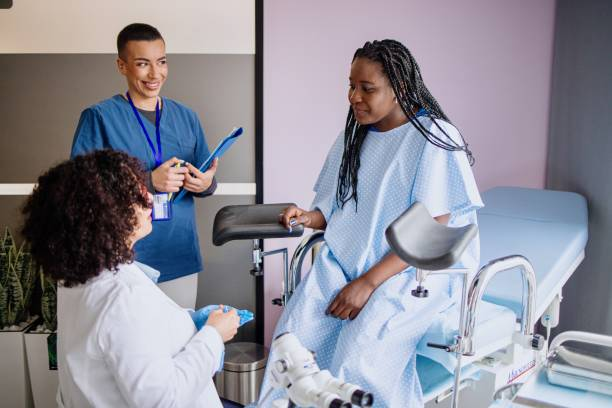
What Happens During a Gynecology Checkup Appointment?
Many women feel nervous before visiting a gynecologist for the first time. This is completely normal. A gynecology checkup appointment is an important part of women’s health and helps keep the body healthy, prevent diseases, and answer questions about reproductive health. Whether it is your first appointment or a regular yearly visit, understanding what happens during a gynecology checkup can help you feel calm and prepared.
A gynecologist is a doctor who specializes in women’s reproductive health. They help with periods, pregnancy, fertility, menopause, infections, and many other health concerns. Regular gynecology visits are important for women of all ages because they help detect problems early and provide guidance for a healthy life.
Why Gynecology Checkups Are Important
Gynecology appointments are not only for women who are pregnant or sick. These visits are part of preventive healthcare. A regular checkup can help detect health issues before they become serious. Doctors can identify infections, hormonal problems, cervical cancer, breast changes, and other conditions at an early stage.
These appointments are also a safe place to ask questions about periods, birth control, sexual health, pregnancy, or body changes. Many women avoid going to a gynecologist because they feel embarrassed, but gynecologists are trained professionals who handle these situations every day.
Preparing for the Appointment
Before the appointment, there are a few simple things you can do to prepare. Try to schedule the visit when you are not on your period unless you are visiting because of menstrual problems. Wear comfortable clothing and bring your medical information, including medicines you take, allergies, and details about your menstrual cycle.
It can also help to write down any questions or symptoms you want to discuss. Some women forget important details during the appointment because they feel nervous. Having notes can make the conversation easier.
Checking In at the Clinic
When you arrive at the clinic or hospital, the receptionist may ask you to fill out forms. These forms usually include information about your health history, medications, surgeries, allergies, and menstrual cycle. You may also be asked about pregnancy history, sexual activity, or birth control use.
This information helps the doctor understand your health better and provide proper care. All information shared during the appointment is private and confidential.
Talking With the Gynecologist
The appointment usually begins with a conversation. The doctor may ask questions about:
- Your menstrual cycle
- Pain or unusual symptoms
- Sexual health
- Pregnancy history
- Birth control methods
- Family medical history
- Lifestyle habits like diet and exercise
This discussion is very important because it gives the doctor clues about your overall health. You should answer honestly, even if some questions feel personal. The doctor is there to help, not judge.
If you have concerns about irregular periods, pelvic pain, discharge, itching, or emotional changes, this is the best time to mention them.
Basic Health Check
Before the physical examination, a nurse or assistant may check your basic health information. This usually includes:
- Weight
- Height
- Blood pressure
- Temperature
- Heart rate
These measurements help doctors monitor your overall health and notice changes over time.
Breast Examination
A breast exam is often part of a gynecology checkup. The doctor gently checks the breasts for lumps, skin changes, or unusual signs. They may also show you how to do breast self-examinations at home.
Breast exams are important because they can help detect early signs of breast cancer or other conditions. If the doctor notices anything unusual, they may recommend further tests like a mammogram or ultrasound.
Pelvic Examination
The pelvic exam is one of the most important parts of a gynecology appointment. Some women feel nervous about this exam, but it is usually quick and not very painful.
During the exam, you will lie on an examination table with your feet placed in supports called stirrups. The doctor examines the external and internal reproductive organs to check for signs of infection, swelling, cysts, or other issues.
The pelvic exam generally includes three parts:
External Examination
The doctor first looks at the outside area of the reproductive organs to check for irritation, redness, bumps, or infections.
Speculum Examination
A medical tool called a speculum is gently inserted into the vagina. This helps the doctor see the vaginal walls and cervix clearly. Some women feel pressure during this part, but it should not be extremely painful.
The doctor may also collect samples for testing during this stage.
Bimanual Examination
The doctor places gloved fingers inside the vagina while pressing gently on the abdomen from outside. This helps check the size and position of the uterus and ovaries. It also helps identify pain, cysts, or unusual growths.
Pap Smear Test
A Pap smear is a common test often done during gynecology visits. The doctor collects a small sample of cells from the cervix to check for abnormal changes that could lead to cervical cancer.
The procedure is quick and usually causes only mild discomfort. Pap smears are important because they can detect problems early before they become dangerous.
The frequency of Pap smear tests depends on age and medical history. Your doctor will tell you how often you need one.
Testing for Infections
If necessary, the doctor may test for sexually transmitted infections (STIs) or other vaginal infections. These tests may involve urine samples, blood tests, or swabs taken during the pelvic exam.
Common symptoms that may require testing include:
- Unusual discharge
- Burning sensation
- Itching
- Pelvic pain
- Pain during urination
Early treatment of infections can prevent serious health problems later.
Discussing Birth Control
Many women use gynecology appointments to discuss birth control options. The doctor can explain different methods such as:
- Birth control pills
- Condoms
- Injections
- Intrauterine devices (IUDs)
- Implants
The doctor will help you choose a method based on your health, lifestyle, and future pregnancy plans.
Pregnancy and Fertility Discussions
Women who are trying to become pregnant can ask questions about fertility and pregnancy planning. The doctor may suggest lifestyle changes, vitamins, or medical tests to improve reproductive health.
If a woman is already pregnant, the gynecologist may discuss prenatal care and schedule future visits to monitor the pregnancy.
Menopause and Hormonal Changes
Older women may discuss menopause symptoms during their checkup. Common symptoms include:
- Hot flashes
- Mood swings
- Sleep problems
- Irregular periods
The doctor can recommend treatments, lifestyle changes, or hormone therapy to manage these symptoms and improve comfort.
Emotional Health Matters Too
Gynecology appointments are not only about physical health. Emotional and mental health are also important. Hormonal changes, stress, anxiety, or depression can affect women’s overall well-being.
You can speak openly with your doctor about emotional concerns. They may offer advice, treatment, or referrals to mental health professionals if needed.
After the Examination
Once the examination is complete, the doctor discusses the findings and answers any remaining questions. If tests were performed, the results may come later by phone, email, or another appointment.
The doctor may also recommend:
- Healthy lifestyle changes
- Vaccinations
- Follow-up tests
- Medicines or treatments
- Future appointments
It is important to follow the doctor’s advice and return for regular checkups even if you feel healthy.
Tips to Feel Comfortable During a Gynecology Visit
Here are a few ways to make the appointment less stressful:
- Take deep breaths and stay relaxed
- Wear comfortable clothing
- Ask questions if you feel confused
- Tell the doctor if you feel nervous
- Bring a trusted friend or family member if allowed
Remember, gynecologists are trained to help women feel safe and comfortable during appointments.
Conclusion
A gynecology checkup appointment is an important step in protecting women’s health. These visits help detect diseases early, answer personal health questions, and support physical and emotional well-being. Although some women may feel nervous or embarrassed, understanding the process can make the experience much easier.
Regular gynecology visits are a healthy habit that every woman should consider. Whether discussing periods, pregnancy, birth control, or general health, a gynecologist provides professional care and guidance at every stage of life.
Frequently Asked Questions (FAQs)
1. Does a gynecology checkup hurt?
Most gynecology exams are not painful, although some parts may feel slightly uncomfortable. If you feel pain, tell the doctor immediately.
2. How often should I visit a gynecologist?
Most women should have a gynecology checkup once a year, but the doctor may recommend more visits depending on health needs.
3. What should I wear to a gynecology appointment?
Wear comfortable clothes that are easy to remove and put back on after the examination.
4. Can I visit a gynecologist during my period?
Yes, but it is better to schedule routine checkups when you are not menstruating unless the visit is related to period problems.
5. What age should girls start seeing a gynecologist?
Many experts recommend the first gynecology visit between ages 13 and 15, depending on health concerns and personal needs.
