
What Causes Acne in Adults and How Is It Treated?
Acne is often thought of as a teenage skin problem, but many adults also struggle with it well into their 20s, 30s, 40s, and even beyond. Adult acne can be frustrating because it often appears when people expect their skin problems to be over. It can affect confidence, self-esteem, and even social life.
To understand how to manage it, we first need to understand one simple question: what actually causes acne in adults? Once we understand the causes, we can look at how it is treated in a safe and effective way.
What Is Adult Acne?
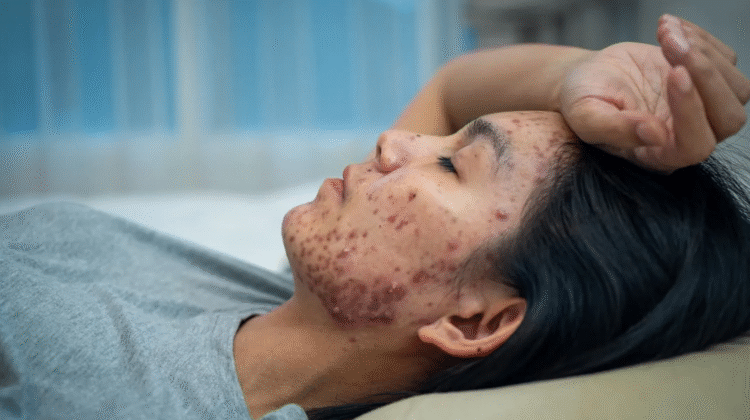
Adult acne is a skin condition where pimples, blackheads, whiteheads, and sometimes painful cysts appear on the skin after the age of 18. It usually shows up on the face, especially the chin, jawline, cheeks, and sometimes on the neck, chest, and back.
Unlike teenage acne, which is often linked to puberty and fast hormone changes, adult acne is usually more complex and can be triggered by several internal and external factors.
What Causes Acne in Adults?
There is no single cause of adult acne. Instead, it usually develops due to a combination of factors.
1. Hormonal Changes
Hormones are one of the biggest reasons adults develop acne. Even small changes in hormones can increase oil production in the skin. This oil, called sebum, can mix with dead skin cells and clog pores.
Common hormonal triggers include:
- Menstrual cycle changes in women
- Pregnancy
- Post-pregnancy hormonal shifts
- Polycystic ovary syndrome (PCOS)
- Starting or stopping birth control pills
This is why many women notice acne around the jawline or chin area, especially before their periods.
2. Stress
Stress does not directly cause acne, but it can make it worse. When you are stressed, your body produces more cortisol, a hormone that increases oil production in the skin. More oil means more blocked pores and more breakouts.
People who are under constant pressure from work, studies, or personal life often notice flare-ups during stressful times.
3. Skincare and Cosmetic Products
Using the wrong skincare products can also lead to acne. Some creams, oils, and makeup products may clog pores. This is called “comedogenic” products.
Common mistakes include:
- Sleeping with makeup on
- Using heavy or oily creams
- Not properly cleansing the skin
- Over-exfoliating, which irritates the skin
Even products labeled “natural” can sometimes trigger breakouts depending on skin type.
4. Diet and Lifestyle
Food does not cause acne for everyone, but in some people, it can play a role. Diets high in sugar, dairy, or processed foods may increase inflammation in the body, which can worsen acne.
Lifestyle factors include:
- Lack of sleep
- Smoking
- Dehydration
- Sedentary lifestyle
These habits can weaken skin health and slow down healing.
5. Genetics
If your parents had acne, there is a higher chance you might experience it too. Genetics can influence how oily your skin is and how easily your pores get clogged.
6. Medication Side Effects
Some medicines can trigger acne as a side effect. For example:
- Steroid medications
- Certain antidepressants
- Hormonal treatments
If acne starts after beginning a new medicine, it is worth discussing with a doctor.
How Is Adult Acne Treated?
The good news is that adult acne can be treated effectively. Treatment depends on how severe the acne is and what is causing it.
1. Gentle Skincare Routine
A simple skincare routine is the first step.
This usually includes:
- A mild cleanser twice a day
- A lightweight moisturizer
- Sunscreen during the day
Harsh scrubbing should be avoided because it can make acne worse.
2. Over-the-Counter Treatments
Many mild acne cases can improve with pharmacy products such as:
- Benzoyl peroxide (kills acne bacteria)
- Salicylic acid (clears clogged pores)
- Niacinamide (reduces inflammation and oiliness)
These treatments need time and consistency. Results usually appear after several weeks.
3. Prescription Medications
For moderate to severe acne, doctors may prescribe stronger treatments:
- Topical retinoids (help unclog pores and reduce acne formation)
- Antibiotics (reduce bacteria and inflammation)
- Hormonal treatments (especially for women with hormonal acne)
- Oral retinoids for severe cases
These treatments should always be used under medical supervision.
4. Lifestyle Changes
Healthy habits can support skin improvement:
- Drinking enough water
- Eating a balanced diet with fruits and vegetables
- Reducing sugar and processed foods
- Getting enough sleep
- Managing stress through exercise, yoga, or relaxation techniques
While lifestyle changes alone may not cure acne, they can significantly improve skin health.
5. Professional Skin Treatments
In some cases, dermatologists may suggest procedures like:
- Chemical peels
- Laser therapy
- Extraction of clogged pores
- Light therapy
These treatments are usually used for stubborn or long-term acne.
How Long Does Treatment Take?
Adult acne does not disappear overnight. Most treatments take 4 to 12 weeks to show noticeable improvement. Consistency is very important. Stopping treatment too early can cause acne to return.
Can Adult Acne Be Prevented?
While not all acne can be prevented, the risk can be reduced by:
- Using non-comedogenic skincare products
- Keeping skin clean but not over-washed
- Avoiding touching the face frequently
- Managing stress levels
- Following a balanced diet
Final Thoughts
Adult acne is more common than many people think, and it is not just a cosmetic issue—it can affect emotional well-being too. The important thing to remember is that acne is treatable. Understanding the cause is the first step toward finding the right solution.
Every person’s skin is different, so what works for one may not work for another. Patience, consistency, and sometimes professional help are key to achieving clearer skin.
Frequently Asked Questions (FAQs)
1. Why do I suddenly get acne as an adult?
Adult acne can appear due to hormonal changes, stress, skincare products, or lifestyle factors. Even if you never had acne as a teenager, it can still develop later in life.
2. Is adult acne related to hormones?
Yes, hormones are one of the main causes of adult acne, especially in women. Changes during periods, pregnancy, or conditions like PCOS can trigger breakouts.
3. Can diet really affect acne?
For some people, yes. Foods high in sugar, dairy, and processed ingredients may increase inflammation and worsen acne. However, it varies from person to person.
4. How long does it take to cure adult acne?
It depends on the treatment and severity. Most people see improvement in 4 to 12 weeks, but long-term acne may take longer to fully control.
5. Should I see a dermatologist for acne?
If over-the-counter products are not helping or if acne is painful, severe, or leaving scars, it is best to consult a dermatologist for proper treatment.
