
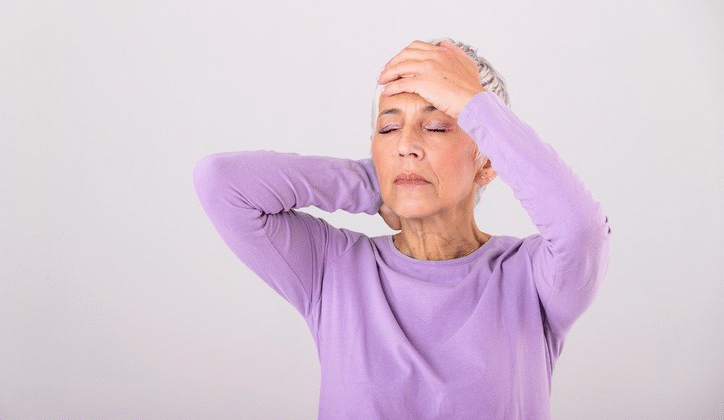
What Are Symptoms of Hormonal Imbalance in Women?
Hormones are like tiny chemical messengers in the body. They travel through the bloodstream and help control many important functions such as mood, energy, sleep, metabolism, reproduction, and even skin health. When these hormones are in balance, the body works smoothly. But when they are not, it can lead to a condition called hormonal imbalance.
Hormonal imbalance in women is quite common and can happen at different stages of life such as puberty, pregnancy, postpartum period, or menopause. It can also be caused by stress, poor diet, certain medical conditions, or lifestyle habits.
In this article, we will explain in simple words the symptoms of hormonal imbalance in women, what causes it, and answer some common questions.
Understanding Hormonal Imbalance in Women
Hormones like estrogen, progesterone, testosterone, insulin, and thyroid hormones all play important roles in a woman’s body. Even a small change in these hormone levels can affect how a woman feels physically and emotionally.
For example:
- Too much or too little estrogen can affect menstrual cycles.
- Thyroid imbalance can change weight and energy levels.
- Insulin imbalance can affect blood sugar and skin health.
Because hormones control so many body systems, the symptoms of imbalance can show up in many different ways.
Common Symptoms of Hormonal Imbalance in Women
Below are the most common signs that may indicate hormonal imbalance. These symptoms can vary from woman to woman.
1. Irregular Periods
One of the most common symptoms is changes in the menstrual cycle. A woman may experience:
- Missed periods
- Very heavy periods
- Very light periods
- Short or long cycles
- Painful cramps
Irregular periods often happen due to imbalance in estrogen and progesterone.
2. Mood Swings and Emotional Changes
Hormones have a strong effect on mood. When they are unbalanced, a woman may feel:
- Irritable without reason
- Sudden sadness or crying spells
- Anxiety or nervousness
- Mood swings
This is often seen before periods, during pregnancy, or menopause.
3. Weight Gain or Weight Loss
Unexpected changes in weight can also be a sign of hormonal imbalance. Some women may:
- Gain weight easily, especially around the belly
- Struggle to lose weight even with diet and exercise
- Lose weight without trying
This can be related to thyroid problems or insulin imbalance.
4. Fatigue and Low Energy
Feeling tired all the time, even after enough rest, is another common symptom. Hormonal imbalance can make a woman feel:
- Constantly exhausted
- Weak or low in energy
- Unable to focus
Thyroid hormones and cortisol (stress hormone) are often involved in this issue.
5. Skin Problems
Hormones also affect skin health. When they are imbalanced, women may notice:
- Acne breakouts (especially on chin and jawline)
- Dry skin
- Oily skin
- Dark patches on skin
Acne due to hormonal imbalance is very common in teenagers and adult women.
6. Hair Loss or Hair Growth Changes
Hormonal changes can affect hair growth patterns. A woman may experience:
- Hair thinning or hair loss
- Excess hair growth on face or body
- Dry and weak hair
This can be linked to thyroid imbalance or conditions like PCOS.
7. Sleep Problems
Sleep is closely connected with hormones. When they are unbalanced, women may:
- Have trouble falling asleep
- Wake up often during the night
- Feel restless sleep
- Wake up tired
Stress hormone (cortisol) and melatonin are often involved in sleep issues.
8. Low Sex Drive
Hormonal imbalance can also affect sexual health. A woman may experience:
- Reduced interest in intimacy
- Vaginal dryness
- Discomfort during intercourse
This is often linked to low estrogen levels.
9. Digestive Issues
Hormones also affect digestion. Some women may notice:
- Bloating
- Constipation
- Diarrhea
- Slow or fast digestion
Estrogen and progesterone can influence how the gut functions.
10. Headaches and Migraines
Frequent headaches, especially before periods, can be related to hormonal changes. Some women experience:
- Mild headaches
- Severe migraines
- Head pain during menstrual cycle
Causes of Hormonal Imbalance in Women
There are many reasons why hormones may become unbalanced, such as:
- Stress and anxiety
- Poor diet or unhealthy eating habits
- Lack of sleep
- Pregnancy and childbirth
- Menopause
- Polycystic Ovary Syndrome (PCOS)
- Thyroid disorders
- Excess body weight or sudden weight loss
- Certain medications
Understanding the cause helps in managing the symptoms better.
How Hormonal Imbalance Affects Daily Life
Hormonal imbalance does not only affect the body but also daily life. It can make simple tasks feel difficult. A woman may feel tired at work, struggle with relationships due to mood changes, or lose confidence because of skin and hair issues.
The good news is that hormonal imbalance can often be managed with proper care, healthy lifestyle, and medical guidance.
Simple Ways to Support Hormonal Health
While treatment depends on the cause, some general habits can help support hormonal balance:
- Eating a balanced diet with fruits, vegetables, and protein
- Drinking enough water
- Getting regular exercise
- Managing stress through relaxation or meditation
- Sleeping at least 7–8 hours daily
- Avoiding too much sugar and processed food
These habits help keep hormones in a more stable condition.
Conclusion
Hormonal imbalance in women is a common but often misunderstood condition. It can affect many parts of the body including mood, skin, weight, energy, and reproductive health. The symptoms may vary from mild to severe, but recognizing them early is important.
If a woman notices several of the symptoms mentioned above for a long time, it is a good idea to seek medical advice. With proper care and lifestyle changes, hormonal balance can often be restored, leading to a healthier and happier life.
FAQs About Hormonal Imbalance in Women
1. What is the main cause of hormonal imbalance in women?
There is no single cause. Common reasons include stress, thyroid problems, PCOS, poor diet, lack of sleep, and natural life stages like pregnancy or menopause.
2. Can hormonal imbalance go away on its own?
Sometimes mild imbalance may improve with lifestyle changes. However, in many cases, medical treatment is needed depending on the cause.
3. How do I know if I have hormonal imbalance?
If you have symptoms like irregular periods, mood swings, weight changes, fatigue, or skin problems, you may have hormonal imbalance. A doctor can confirm it through tests.
4. Can diet help balance hormones?
Yes, a healthy diet plays a big role. Foods rich in fiber, healthy fats, and proteins can help support hormone health.
5. Is hormonal imbalance serious?
It depends on the cause. Some cases are mild, while others may affect long-term health. That is why early diagnosis and treatment are important.
