
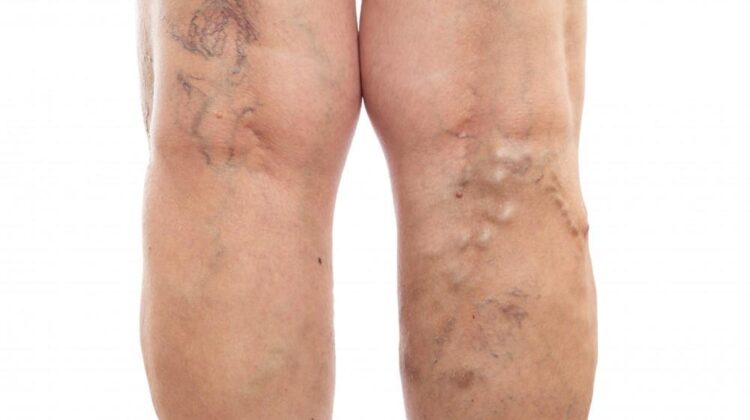
Recognizing the Signs of Deep Vein Thrombosis
Deep vein thrombosis, or DVT, is a condition in which a blood clot forms in one of the deep veins of the body, most often in the legs. These veins carry blood back to the heart, and a clot in one of them can block normal circulation. DVT can develop with subtle symptoms, so understanding the condition helps you know when to seek medical attention. Here is more information about the signs and symptoms of DVT:
Causes of Deep Vein Thrombosis
Deep vein thrombosis occurs when blood pools or moves too slowly through a vein, which allows a clot to form. This can happen after long periods of inactivity, and it tends to follow venous damage from injury or surgery. Certain medical procedures affect how blood clots; conditions that thicken the blood may increase the likelihood of a clot forming. When the vein wall is damaged or the blood flow is reduced, the body’s normal clotting process may activate in the wrong place.
Risk Factors for DVT
Several factors can raise a person’s chances of developing DVT. Age plays a role, and peopleover 40 tend to face a higher likelihood than younger individuals. When an individual experiences prolonged bed rest or extended travel, it keeps the legs still for extended periods, causing poor circulation.
Other factors relate to a person’s health history and lifestyle. Pregnancy adds pressure on the veins in the legs and pelvis, and hormone-based medications may also influence how blood clots. Excess body weight increases pressure on the lower veins, and a family history of clotting disorders can raise the baseline risk as well.
Symptoms of DVT
DVT does not always produce noticeable signs, but when symptoms do appear, they often affect the leg where the clot has formed. The signs can resemble other conditions, so a medical evaluation is the reliable way to confirm the cause. The following symptoms may indicate DVT:
- Swelling in one leg, often around the calf or ankle
- Pain or tenderness that may feel like cramping
- Skin that appears red or discolored over the affected area
- Warmth in the leg near the site of the clot
- A feeling of heaviness or tightness in the limb
Treatment for DVT
Treatment for deep vein thrombosis focuses on stopping the clot from growing and preventing it from traveling to other parts of the body. Anticoagulant medications, often called blood thinners, are commonly used. They work by reducing the blood’s ability to form new clots. In some situations, a medical team may recommend clot-dissolving medication for larger or more serious clots. These treatments are typically reserved for specific cases, and they are administered under close supervision. Other treatment options and recovery steps may include:
- Compression stockings to support circulation in the legs and reduce swelling during recovery
- A small filter placed in a large vein to catch clots before they reach the lungs
- Staying active and moving during long trips
Schedule a Vascular Evaluation Today
Deep vein thrombosis can cause serious complications if blood clots travel back to the heart. In some cases, the symptoms may not be very apparent or noticeable; maintaining an active lifestyle, staying hydrated, and avoiding prolonged periods of immobility are key measures to help prevent DVT. To learn more about DVT and treatments, consult a vascular specialist near you.
