
How Is Endoscopy Performed for Diagnosis? (Easy, Human Explanation)
When doctors need to look inside your body without doing surgery, one of the most useful tools they use is called endoscopy. It sounds a bit technical, but the idea is actually quite simple. Endoscopy is a medical procedure that helps doctors see inside your organs using a thin, flexible tube with a camera and light at the end.
This article explains in a clear and easy way how endoscopy is performed for diagnosis, why it is done, what happens before, during, and after the procedure, and what patients can expect.
What Is Endoscopy?
Endoscopy is a diagnostic procedure used to examine the inside of the body. The word “endo” means inside, and “scopy” means to look. So, endoscopy literally means “looking inside.”
The main tool used is called an endoscope. It is a long, thin, flexible tube with a tiny camera and light attached. This camera sends real-time images to a screen so the doctor can clearly see internal organs.
Doctors use endoscopy to examine areas like:
- The stomach
- The esophagus (food pipe)
- The intestines
- The lungs
- The bladder
- The throat
It helps doctors find problems such as ulcers, inflammation, bleeding, tumors, or infections.
Why Is Endoscopy Done for Diagnosis?
Endoscopy is mainly used when a patient has symptoms that need a closer look inside the body. Some common reasons include:
- Persistent stomach pain
- Difficulty swallowing
- Unexplained weight loss
- Internal bleeding
- Chronic cough
- Digestive problems like nausea or vomiting
- Suspected ulcers or tumors
Instead of guessing, doctors use endoscopy to get a clear view and accurate diagnosis.
Types of Endoscopy
There are different types of endoscopy depending on the part of the body being examined:
- Gastroscopy: Examines the stomach and upper digestive tract
- Colonoscopy: Examines the large intestine (colon)
- Bronchoscopy: Examines the lungs and airways
- Cystoscopy: Examines the bladder
- Laryngoscopy: Examines the throat and voice box
Each type uses a similar technique but is designed for a specific organ.
How Is Endoscopy Performed?
Now let’s go step by step to understand how endoscopy is actually done.
1. Before the Procedure (Preparation)
Before endoscopy, the doctor gives instructions to prepare your body. Preparation depends on the type of endoscopy, but usually includes:
- Not eating or drinking for 6–12 hours before the test
- Stopping certain medications if advised
- Cleaning the bowel (for colonoscopy) using laxatives
The goal is to make sure the inside of the body is clean and easy to view.
The doctor may also ask about your medical history and allergies.
2. At the Hospital or Clinic
When you arrive, you are taken to a special procedure room. A nurse or doctor will:
- Check your blood pressure and vital signs
- Ask you to change into a hospital gown
- Explain the procedure again
You will also be given a mild sedative or anesthesia in many cases. This helps you relax and reduces discomfort.
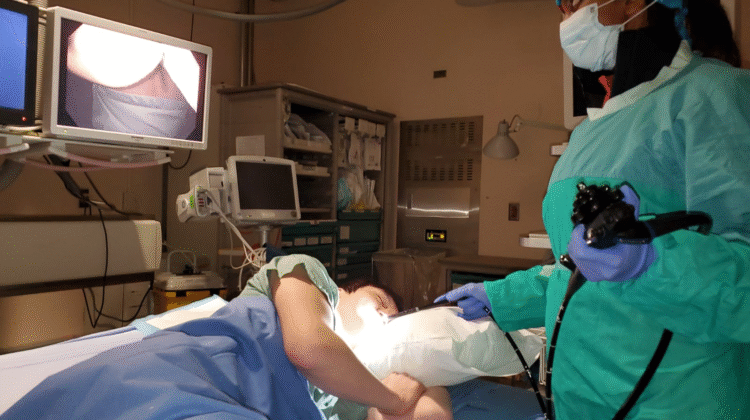
3. During the Procedure
This is the main part of endoscopy.
The doctor gently inserts the endoscope into the body. The entry point depends on the type of exam:
- Through the mouth (for stomach or lungs)
- Through the rectum (for colon)
- Through the urethra (for bladder)
The tube moves slowly and carefully inside the body. The camera sends real-time images to a monitor.
The doctor looks for anything unusual such as:
- Swelling
- Bleeding
- Blockages
- Infections
- Abnormal growths
If needed, the doctor can also take a small tissue sample called a biopsy. This helps in further testing in a lab.
In some cases, minor treatments can also be done during endoscopy, like removing polyps or stopping bleeding.
4. After the Procedure
Once the endoscopy is finished, the tube is gently removed. You are then taken to a recovery room.
You may feel:
- Slight drowsiness from sedation
- Mild throat discomfort (if the tube was inserted through the mouth)
- Bloating or gas (especially after colonoscopy)
These effects usually go away within a few hours.
Doctors monitor you for a short time and then allow you to go home, often on the same day.
Is Endoscopy Painful?
One of the most common questions people ask is whether endoscopy hurts.
The good news is that most patients do not feel pain. Thanks to sedation and modern equipment, the procedure is usually:
- Comfortable
- Quick
- Safe
You may feel slight pressure or discomfort, but not severe pain.
How Long Does Endoscopy Take?
Endoscopy is not a long procedure. On average:
- It takes about 10 to 30 minutes
- Recovery may take 1 to 2 hours
Most people return to normal activities the next day.
Risks of Endoscopy
Endoscopy is generally very safe, but like any medical procedure, it has small risks. These may include:
- Mild bleeding (especially if biopsy is taken)
- Sore throat or bloating
- Reaction to sedatives (rare)
- Very rare internal injury
Doctors always ensure safety measures are followed to minimize risks.
Benefits of Endoscopy for Diagnosis
Endoscopy is very important in modern medicine because it offers many benefits:
- Provides clear and accurate diagnosis
- Helps detect diseases early
- Avoids the need for major surgery
- Allows immediate treatment in some cases
- Quick recovery time
It is one of the most reliable tools for internal examination.
What Happens After Getting Results?
After the procedure, the doctor studies the images and biopsy results (if taken). Based on this, they may:
- Prescribe medication
- Suggest lifestyle changes
- Recommend further tests
- Plan treatment if needed
Early diagnosis often leads to better treatment outcomes.
Final Thoughts
Endoscopy is a safe and highly useful medical procedure that allows doctors to see inside the human body without surgery. It helps diagnose many conditions early and accurately. Although it may sound intimidating, the process is usually simple, quick, and painless for most patients.
If your doctor recommends an endoscopy, it is usually because they want a clear answer about your health. Understanding the process can help reduce fear and make you feel more comfortable.
FAQs About Endoscopy
1. Is endoscopy safe for everyone?
Yes, endoscopy is generally safe for most people. However, doctors may avoid or adjust it for patients with serious heart or lung conditions.
2. Do I need anesthesia for endoscopy?
Most patients receive mild sedation to help them relax. In some cases, local anesthesia or no sedation is used.
3. Can I eat after endoscopy?
Yes, but you may need to wait a few hours. Your doctor will tell you when it is safe to eat or drink again.
4. How should I prepare for endoscopy?
You usually need to fast for 6–12 hours and follow your doctor’s instructions about medications and bowel preparation if required.
5. Why is biopsy taken during endoscopy?
A biopsy helps doctors study a small tissue sample in detail to check for infections, inflammation, or diseases like cancer.
