
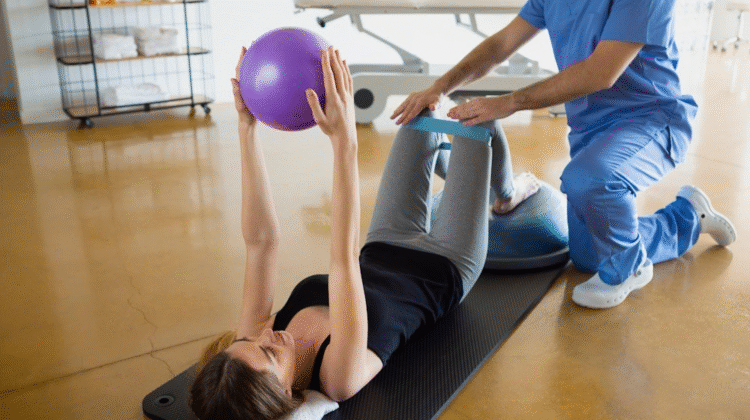
How Does Physical Therapy Help With Pain Control?
Pain is something almost everyone experiences at some point in life. It can come from an injury, long-term health conditions, poor posture, aging, or even daily habits like sitting too long or lifting incorrectly. Many people rely on medicines for quick relief, but there is another powerful and long-term solution that often gets overlooked: physical therapy.
So, the main question is: how does physical therapy help with pain control?
The simple answer is that physical therapy helps your body heal, move better, and become stronger so that pain reduces naturally over time. Instead of just hiding pain like some medicines do, physical therapy treats the root cause of pain.
Let’s understand this in detail in a simple and human way.
Understanding Physical Therapy
Physical therapy (also called physiotherapy) is a type of healthcare treatment that focuses on improving movement, strength, and function in the body. It is done by trained professionals known as physical therapists.
They use exercises, hands-on techniques, stretching, education, and special equipment to help people recover from injuries, surgeries, or chronic pain conditions.
The goal is not only to reduce pain but also to prevent it from coming back.
How Does Physical Therapy Help With Pain Control?
Now let’s break it down into simple points so you can clearly understand how physical therapy works for pain relief.
1. It Treats the Root Cause of Pain
Most pain does not come without a reason. For example:
- Back pain may come from weak muscles or poor posture
- Knee pain may come from joint stress or imbalance
- Neck pain may come from long hours on screens
Painkillers may reduce the feeling of pain, but they don’t fix the cause.
Physical therapy, on the other hand, focuses on finding the exact reason behind the pain and treating it directly. This leads to long-lasting relief.
2. Improves Strength and Flexibility
Weak muscles often cause pain because they cannot support the body properly. Tight muscles also create pressure on joints and nerves.
Physical therapists design exercises that:
- Strengthen weak muscles
- Improve flexibility
- Balance body movement
When your body becomes stronger and more flexible, it naturally reduces pain and prevents future injuries.
3. Reduces Inflammation and Stiffness
Inflammation and stiffness are major reasons for pain in many conditions like arthritis, injuries, or after surgery.
Physical therapy uses techniques such as:
- Gentle movement exercises
- Stretching routines
- Heat or cold therapy
- Manual massage
These help increase blood flow, reduce swelling, and relax tight muscles. As a result, pain gradually decreases.
4. Improves Posture and Body Mechanics
Bad posture is one of the most common causes of long-term pain today. Sitting incorrectly, slouching, or standing unevenly can put pressure on the spine and joints.
Physical therapists teach you how to:
- Sit properly
- Stand correctly
- Lift objects safely
- Move your body without strain
Once posture improves, pain in the neck, shoulders, and back often reduces significantly.
5. Helps the Body Heal Naturally
The human body has a natural ability to heal itself. Physical therapy supports this healing process by improving circulation and movement.
Better blood flow means:
- More oxygen reaches injured tissues
- Faster recovery of muscles and joints
- Reduced pain signals in the body
This natural healing is one of the strongest benefits of physical therapy.
6. Reduces Dependence on Pain Medication
Many people take painkillers regularly, but these only offer temporary relief and may have side effects if used long-term.
Physical therapy reduces the need for medication by:
- Managing pain naturally
- Strengthening the body
- Preventing pain from returning
Over time, many patients find they need less or no medication at all.
7. Helps with Chronic Pain Conditions
Chronic pain lasts for weeks, months, or even years. Conditions like:
- Arthritis
- Back pain
- Fibromyalgia
- Sciatica
can be difficult to manage.
Physical therapy helps by creating long-term care plans that include:
- Regular exercise routines
- Pain management techniques
- Lifestyle changes
This improves quality of life and reduces constant pain.
8. Improves Mental Health and Confidence
Living with pain can affect your mood and confidence. It can lead to stress, anxiety, and even depression.
Physical therapy helps people feel better mentally because:
- Pain decreases over time
- Movement becomes easier
- Independence increases
When people can move without pain, they feel more confident and positive.
9. Prevents Future Injuries
One of the most important benefits of physical therapy is prevention.
Therapists teach you how to:
- Move correctly
- Strengthen weak areas
- Avoid risky habits
This reduces the chance of future injuries and pain episodes.
Common Techniques Used in Physical Therapy
Physical therapists use different methods depending on your condition. Some common ones include:
- Stretching exercises
- Strength training
- Massage therapy
- Joint movement exercises
- Electrical stimulation
- Heat and cold therapy
- Balance training
Each method is carefully chosen based on your pain type and body condition.
Who Can Benefit From Physical Therapy?
Almost anyone dealing with pain can benefit, including:
- Office workers with back or neck pain
- Athletes with injuries
- Elderly people with joint pain
- Patients recovering from surgery
- People with chronic conditions
Physical therapy is safe, non-invasive, and effective for many types of pain.
Final Thoughts
So, how does physical therapy help with pain control?
It helps by treating the root cause of pain, improving strength, increasing flexibility, reducing inflammation, correcting posture, and supporting natural healing. Unlike quick fixes, physical therapy focuses on long-term recovery and prevention.
It is not just about reducing pain—it is about improving your overall quality of life. With regular sessions and proper guidance, many people experience long-lasting relief without relying heavily on medication.
If you are struggling with pain, physical therapy can be a powerful and natural way to regain control of your body and live more comfortably.
FAQs
1. How long does physical therapy take to reduce pain?
The time depends on the condition. Some people feel improvement in a few sessions, while chronic issues may take weeks or months.
2. Is physical therapy painful?
No, it is generally not painful. Some exercises may feel slightly uncomfortable at first, but they are designed to heal, not harm.
3. Can physical therapy replace painkillers?
In many cases, yes. Physical therapy can reduce or even eliminate the need for pain medication over time.
4. Do I need a doctor’s referral for physical therapy?
In some places yes, and in others no. It depends on local healthcare rules and your condition.
5. What conditions can physical therapy treat?
It can treat back pain, neck pain, arthritis, sports injuries, post-surgery recovery, and many chronic pain conditions.
