
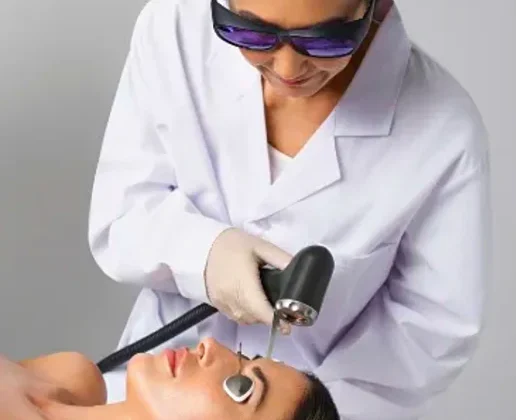
Exploring Laser Treatments in Dermatology
Laser treatments may be used to improve skin texture, reduce unwanted hair, and support the management of certain medical skin conditions. Understanding how these treatments work can help patients make informed decisions about their skin care options. Here is an overview of laser treatments in dermatology:
Understanding Light-Based Treatments
Light-based dermatology treatments rely on concentrated energy that interacts with pigment, blood vessels, or hair follicles beneath the skin. A laser delivers a single wavelength of light, while other devices spread light across a broader range. Different wavelengths reach different depths, and this variety lets dermatologists tailor treatments to specific needs. A trained provider first evaluates your skin type, which guides the choice of technology that best aligns with your goals.
Removing Unwanted Hair
Laser hair removal directs light toward the pigment inside hair follicles, and the absorbed energy reduces future growth. This dermatology treatment works best on hair that contrasts with surrounding skin, though newer devices expand the range of suitable candidates. Several factors influence the outcome of laser hair removal, and knowing them helps you set realistic expectations. Here are some of them:
- Hair color and skin tone: Contrast between hair and skin often influences how the device targets the follicle, and providers adjust settings accordingly.
- Treatment area: Larger regions, such as the legs, require more time, while smaller areas, like the upper lip, move quickly.
- Session count: Multiple visits spread over weeks allow the device to reach follicles during active growth phases.
- Aftercare habits: Sun protection and gentle skin care support the treated area between sessions.
These variables differ from person to person, and a consultation clarifies what your specific plan may involve.
Refreshing Skin With IPL
Intense pulsed light, often called IPL, uses a broad spectrum of light rather than a single wavelength. This approach addresses concerns such as uneven tone, visible vessels, and sun-related discoloration, and it treats a wider surface in each pass. Patients often choose IPL photofacials to refresh their complexion, though results vary with skin type and concern.
An IPL session usually takes a short time, and the device passes over the treatment area in a controlled pattern. You may notice temporary redness afterward, but this often fades within hours or days. A provider explains the expected timeline, and this guidance helps you plan around work or social commitments.
Planning Your Treatment
Planning a dermatology treatment starts with a consultation; this meeting lets a provider assess your skin and discuss your goals. The clinician reviews your medical history, examines the area of concern, and recommends an approach that aligns with your situation. Preparing for your appointment supports a smooth experience. Here are a few practical steps that can make a difference:
- Sun exposure: Limiting time in direct sunlight before treatment is often advised, and providers explain the specific window for your plan.
- Skin products: Some topical products may need a pause; make sure you share your current routine with your provider.
- Medical history: Disclosing medications and past conditions helps the clinician tailor settings safely.
- Questions: Writing down your questions in advance lets you cover key topics during the visit.
These steps help you arrive prepared, and they give your provider the information needed to plan effectively. Follow-up care matters too, and your dermatologist outlines how to protect and maintain your skin after each session.
Schedule Your Dermatology Appointment Today
Laser and light-based treatments offer targeted options for various skin concerns, and understanding how they work helps you make informed decisions. Preparation is key to maximizing the benefits of your dermatology visits. Sharing your medical history, listing your medications, and preparing questions in advance equip your dermatologist with the details needed to offer personalized care. Contact a qualified dermatologist near you to schedule your dermatology appointment today.
