
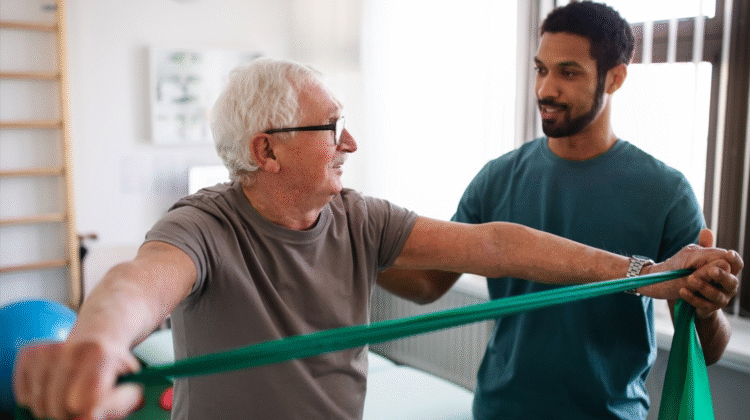
Can Physical Therapy Help After Surgery Recovery?
Recovering from surgery is not just about waiting for the body to heal on its own. It is also about helping the body regain strength, movement, and confidence. One of the most effective ways to support this process is through physical therapy. Many people wonder: can physical therapy help after surgery recovery? The simple answer is yes—physical therapy plays a major role in helping patients recover faster, safer, and with better long-term results.
In this article, we will explore how physical therapy works after surgery, why it is important, what benefits it offers, and what patients can expect during recovery. Everything is explained in simple, easy-to-understand language.
What Is Physical Therapy?
Physical therapy is a type of healthcare treatment that focuses on improving movement, strength, and function in the body. A trained professional called a physical therapist guides patients through exercises, stretches, and movements designed to help the body heal properly.
After surgery, the body is often weak, stiff, or in pain. Physical therapy helps restore normal function step by step. It is not just about exercise—it is a carefully planned recovery process designed for each patient’s condition.
Why Is Physical Therapy Important After Surgery?
After surgery, many patients think rest alone is enough. While rest is important in the early stages, too much inactivity can actually slow down recovery. Muscles can become weak, joints can become stiff, and movement can become difficult.
Physical therapy helps prevent these problems. It supports healing in several ways:
- Improves blood flow to the healing area
- Reduces pain and swelling
- Prevents stiffness in joints
- Strengthens weak muscles
- Helps restore normal movement
Without physical therapy, recovery may take longer, and the risk of complications can increase.
How Physical Therapy Helps After Surgery Recovery
1. Reduces Pain Naturally
One of the biggest concerns after surgery is pain. Physical therapy helps reduce pain without relying too much on medication. Gentle movements and guided exercises help relax muscles and improve circulation, which can reduce discomfort naturally over time.
2. Restores Movement and Flexibility
After surgery, it is common for patients to feel stiff or unable to move properly. Physical therapists guide patients through safe movements that slowly improve flexibility. This helps joints and muscles return to normal function.
For example, after knee or hip surgery, patients may initially struggle to walk or bend properly. Physical therapy gradually rebuilds this ability.
3. Builds Strength
Surgery often weakens the body because of inactivity and healing. Physical therapy includes strength-building exercises that help rebuild muscles safely. Strong muscles support healing areas and reduce the risk of future injury.
4. Improves Balance and Coordination
Some surgeries affect balance, especially those involving the legs, spine, or joints. Physical therapy helps patients regain control over their body movements. This reduces the risk of falling and improves daily activities like walking, climbing stairs, or standing.
5. Prevents Complications
Without movement, the body can develop complications such as blood clots, stiffness, or poor circulation. Physical therapy encourages safe movement, which helps prevent these issues and supports overall health.
6. Speeds Up Recovery
When the body is guided properly through healing, recovery becomes faster. Physical therapy ensures that the body heals in the right way, reducing delays and helping patients return to normal life sooner.
What Happens During Physical Therapy After Surgery?
Every recovery plan is different depending on the type of surgery, but most physical therapy programs include a few common steps:
Initial Assessment
The physical therapist first evaluates the patient’s condition, pain level, movement ability, and medical history.
Gentle Exercises
In the early stages, exercises are very light. They may include breathing exercises, small movements, or assisted stretches.
Progressive Training
As the body heals, exercises become more active. This may include walking practice, resistance exercises, and balance training.
Home Exercises
Patients are usually given exercises to do at home to continue progress between therapy sessions.
Ongoing Monitoring
The therapist regularly checks progress and adjusts the program as needed.
Types of Surgeries That Benefit from Physical Therapy
Physical therapy is helpful after many types of surgeries, including:
- Joint replacement surgery (knee, hip, shoulder)
- Spine surgery
- Ligament or tendon repair
- Fracture surgery
- Heart surgery
- Abdominal surgery
In all these cases, physical therapy plays a key role in restoring movement and strength.
Emotional Benefits of Physical Therapy
Recovery is not just physical—it is also emotional. Many patients feel frustrated, anxious, or discouraged after surgery. Physical therapy helps build confidence by showing steady progress.
When patients see improvement in their movement and strength, they feel more positive and motivated. This emotional support is an important part of healing.
How Long Does Physical Therapy Last?
The duration of physical therapy depends on the type of surgery and the patient’s condition. Some people may need a few weeks, while others may need several months.
Consistency is very important. Regular attendance and following home exercises can make a big difference in recovery speed.
Tips for a Successful Recovery with Physical Therapy
Here are some simple tips to get the best results:
- Follow your therapist’s instructions carefully
- Do your home exercises regularly
- Avoid overdoing activities too soon
- Stay patient and consistent
- Communicate any pain or discomfort to your therapist
Recovery takes time, and every small step matters.
Conclusion
So, can physical therapy help after surgery recovery? Absolutely. It is one of the most important parts of the healing process. Physical therapy helps reduce pain, improve movement, rebuild strength, and prevent complications. It also supports emotional well-being by giving patients confidence in their recovery journey.
Instead of just waiting for the body to heal on its own, physical therapy actively guides the healing process in a safe and effective way. With proper care, patience, and consistency, patients can return to their normal life stronger and more confident than before.
FAQs
1. When should physical therapy start after surgery?
Physical therapy often begins shortly after surgery, sometimes within a few days. The exact timing depends on the type of surgery and the doctor’s recommendation.
2. Is physical therapy painful after surgery?
Some discomfort is normal, especially at the beginning. However, physical therapists ensure that exercises are safe and do not cause harmful pain.
3. Can I recover without physical therapy?
While some healing may happen without it, recovery may be slower and less effective. Physical therapy improves strength, mobility, and long-term results.
4. How often do I need physical therapy sessions?
Most patients attend physical therapy 2–3 times per week, but this varies depending on recovery needs and progress.
5. Can physical therapy prevent future injuries?
Yes, physical therapy strengthens muscles, improves balance, and corrects movement patterns, which helps reduce the risk of future injuries.
