
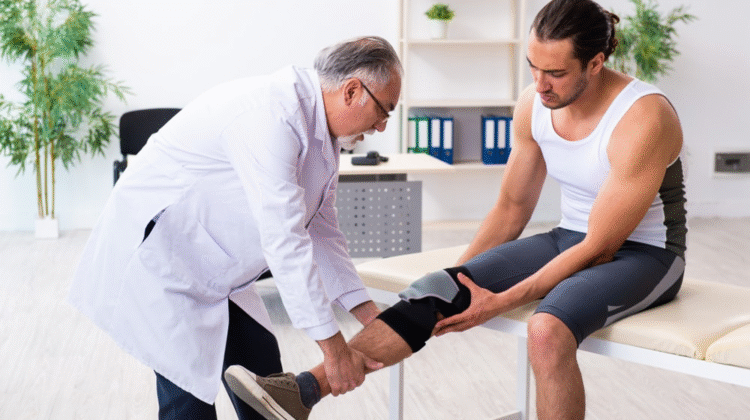
Can Orthopedic Doctors Treat Sports Injuries? A Complete Easy Guide
Sports injuries are very common today, whether you are a professional athlete, a gym lover, or someone who enjoys playing football, cricket, running, or even casual weekend sports. Injuries can happen suddenly—like twisting an ankle while running—or slowly over time, like knee pain from repeated stress.
One of the most common questions people ask is: can orthopedic doctors treat sports injuries? The simple answer is yes. But there is much more to understand about how they help, what types of injuries they treat, and why they are often the best choice for recovery.
In this article, we will explain everything in an easy, human-like way so you can clearly understand the role of orthopedic doctors in sports injury treatment.
What Is an Orthopedic Doctor?
An orthopedic doctor is a medical specialist who focuses on the bones, joints, muscles, ligaments, and tendons. These parts make up your musculoskeletal system, which helps you move, walk, run, and perform daily activities.
Orthopedic doctors are trained to treat:
- Bone fractures
- Joint injuries
- Muscle tears
- Ligament damage
- Sports-related injuries
- Back and spine problems
They don’t just treat injuries with surgery. In fact, many patients are treated without surgery using physical therapy, medication, and other non-surgical methods.
Can Orthopedic Doctors Treat Sports Injuries?
Yes, orthopedic doctors are one of the main specialists for treating sports injuries. Sports injuries are directly related to bones, joints, and soft tissues, which is exactly their area of expertise.
Whether the injury is mild or severe, orthopedic doctors can diagnose, treat, and help patients recover safely.
They handle both acute injuries (sudden injuries) and chronic injuries (long-term pain or overuse injuries).
Types of Sports Injuries Orthopedic Doctors Treat
Orthopedic doctors treat a wide range of sports injuries. Some of the most common include:
1. Sprains and Strains
- A sprain happens when ligaments are stretched or torn.
- A strain happens when muscles or tendons are injured.
These are very common in sports like football, basketball, and running.
2. Fractures (Broken Bones)
Falls, collisions, or accidents during sports can lead to broken bones. Orthopedic doctors treat fractures using casts, splints, or sometimes surgery.
3. Knee Injuries
The knee is one of the most commonly injured joints in sports. Injuries may include:
- ACL tears
- Meniscus tears
- Patellar injuries
These injuries are common in sports that involve jumping or sudden direction changes.
4. Shoulder Injuries
Athletes in sports like cricket, swimming, tennis, and baseball often suffer shoulder injuries such as:
- Rotator cuff tears
- Dislocations
- Tendon inflammation
5. Tennis Elbow and Golfer’s Elbow
These are overuse injuries caused by repeated arm movement. They cause pain around the elbow joint.
6. Back and Spine Injuries
Heavy lifting, poor posture, or sudden movements can lead to back pain or spine injuries.
7. Achilles Tendon Injuries
The Achilles tendon connects the calf muscles to the heel. It can get inflamed or even tear during intense physical activity.
How Orthopedic Doctors Diagnose Sports Injuries
Before treatment, orthopedic doctors carefully diagnose the injury. They use different methods, such as:
Physical Examination
The doctor checks swelling, pain, movement, and strength.
Imaging Tests
They may recommend:
- X-rays (for bones)
- MRI scans (for soft tissues like ligaments and muscles)
- CT scans (for detailed bone structure)
Medical History
The doctor asks how the injury happened, when it started, and what symptoms you feel.
This helps them create the best treatment plan.
Treatment Methods Used by Orthopedic Doctors
Orthopedic doctors use different treatments depending on the injury type and severity.
1. Rest and Protection
The first step is often rest. The injured area is protected to avoid further damage.
2. Medication
Pain relievers and anti-inflammatory medicines help reduce pain and swelling.
3. Physical Therapy
Physical therapy is very important in sports injury recovery. It helps:
- Improve movement
- Strengthen muscles
- Restore flexibility
4. Braces and Supports
Doctors may use braces, splints, or casts to support healing bones or joints.
5. Injections
In some cases, steroid or platelet-rich plasma (PRP) injections are used to reduce pain and speed up healing.
6. Surgery
If the injury is severe (like a torn ligament or broken bone that cannot heal naturally), surgery may be needed.
Orthopedic surgeons perform operations to repair or reconstruct damaged areas.
Why Orthopedic Doctors Are Important for Athletes
Orthopedic doctors play a key role in helping athletes return to their sport safely. Without proper treatment, injuries can get worse or become permanent.
Here’s why they are important:
- They understand sports-related movements
- They prevent long-term damage
- They create personalized recovery plans
- They help athletes return to peak performance
Recovery and Prevention Advice
Orthopedic doctors don’t just treat injuries—they also guide patients on how to prevent them in the future.
Some common advice includes:
- Warm up before playing sports
- Stretch regularly
- Use proper sports gear
- Avoid overtraining
- Strengthen muscles around joints
- Take rest when needed
Following these tips can reduce the risk of future injuries.
When Should You See an Orthopedic Doctor?
You should visit an orthopedic doctor if you experience:
- Severe pain after sports activity
- Swelling in joints or muscles
- Difficulty moving a limb
- A popping sound during injury
- Pain that does not improve after rest
- Visible deformity (like a bent bone or joint)
Early treatment helps prevent complications and speeds up recovery.
Conclusion
So, can orthopedic doctors treat sports injuries? Absolutely yes. They are the main specialists for diagnosing, treating, and preventing sports-related injuries. From minor sprains to serious fractures or ligament tears, orthopedic doctors provide complete care.
They use a combination of treatments such as medication, physical therapy, braces, and surgery when needed. Most importantly, they help patients return to normal life and sports safely.
If you or someone you know suffers a sports injury, consulting an orthopedic doctor is one of the best steps toward proper healing and long-term health.
FAQs
1. Do orthopedic doctors only perform surgery for sports injuries?
No. Most sports injuries are treated without surgery using medication, therapy, and rest. Surgery is only used for severe cases.
2. How long does it take to recover from a sports injury?
Recovery time depends on the injury type. Minor injuries may heal in days or weeks, while severe injuries can take months.
3. Can I play sports again after a serious injury?
Yes, many people return to sports after recovery. Following the doctor’s treatment plan is very important for safe return.
4. What is the difference between a physiotherapist and an orthopedic doctor?
An orthopedic doctor diagnoses and treats the injury, while a physiotherapist helps in recovery through exercises and rehabilitation.
5. Is it safe to ignore minor sports injuries?
No. Even minor injuries can become worse if ignored. It is better to get them checked early to avoid complications.
