
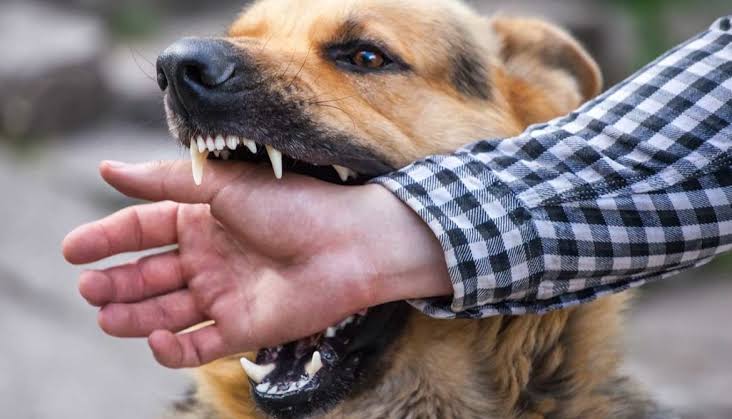
The Connection Between Animal Bites and Infections
Many interactions with animals are harmless, but occasionally an animal may bite. A bite can range from a minor scratch to a deeper wound that requires medical attention. Dogs, cats, and other domesticated animals account for many reported cases, though bites from wild creatures also occur. Learning about the warning signs to watch for can help you respond appropriately when animal bites happen.
What Are Animal Bites?
Animal bites are any wound caused when an animal’s teeth break or pierce the skin, which vary in their severity. Some appear as small punctures that barely bleed, and others involve tearing, crushing, or damage to deeper tissue. The location of the bite may also affect how serious it the injury is. Bites to the hands, face, or joints can receive closer attention because these areas contain structures close to the surface.
Different animals produce different types of wounds. Cat bites create narrow but deep punctures because of their thin, sharp teeth, and dog bites may cause more visible tearing due to the force of their jaws. Bites from wild animals, rodents, or reptiles carry their own factors, since these creatures can harbor organisms not typically found in household pets.
The mouths of animals naturally contain bacteria. Teeth break the skin when an animal bites, and these organisms can enter the wound. This is why even a small bite deserves careful cleaning and observation. Understanding what kind of animal caused the injury, whether it was provoked, and whether the animal’s health history is known can all shape the response that follows.
What Are the Signs of Infection?
After a bite, the body begins its natural healing process. An infection can develop as bacteria multiply within the wound. Recognizing the early warning signs allows a person to seek help before the situation worsens, and common indicators that a wound may be infected include:
- Redness that spreads outward from the site of the bite
- Swelling that increases rather than subsides over time
- Warmth around the affected area
- Pain that grows more intense instead of easing
- Discharge such as pus
- Fever or a general feeling of being unwell
- Streaks that are red and extending from the wound
Some signs may appear within hours, and others develop over a day or more. Anyone who notices these changes should treat them as a signal to contact a healthcare provider.
How Are They Treated?
The general approach to an animal bite often begins with basic first aid. Washing the wound thoroughly with running water helps remove debris, potentially reducing the presence of bacteria. Applying gentle pressure with a clean cloth can slow bleeding, and covering the area with a sterile bandage protects it from further contamination.
Beyond these initial steps, a medical professional may examine the wound to assess its depth and location. Cleaning can be performed more thoroughly in a clinical setting. Some wounds are left open to drain, and others may be closed. Providers also review a person’s vaccination status, since certain bites raise questions about tetanus protection or exposure to rabies. Deeper or more complex wounds sometimes call for additional care.
Seek Prompt Medical Attention
Animal bites deserve attention even when they seem minor at first glance. Acting quickly after an injury gives the wound the best chance to heal well, and this can lower the likelihood of complications. If a bite breaks the skin, involves a wild or unfamiliar animal, or shows any signs of infection, reaching out to a provider is a sound course of action.
