
Lifestyle Modifications To Control Hypertension
Hypertension, also known as high blood pressure, is a condition where the force of blood against your artery walls stays consistently elevated. Over time, this added pressure can strain the heart and blood vessels, and it sometimes contributes to other problems. Many people choose to manage hypertension through daily habits to support long-term cardiovascular wellness. The lifestyle changes below can complement guidance from your healthcare provider:
What Is Hypertension?
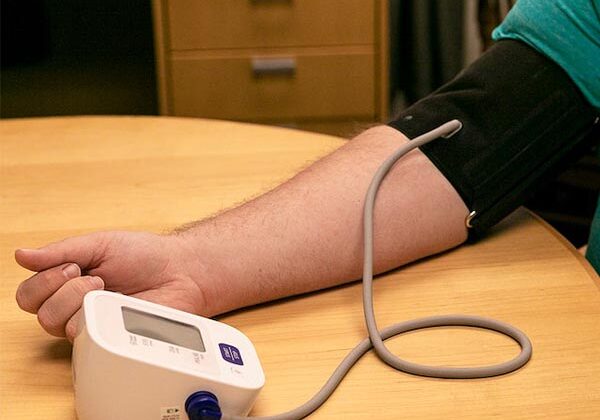
Blood pressure is measured with two numbers, and the reading appears as systolic pressure over diastolic pressure. Systolic pressure reflects the force when your heart beats. Diastolic pressure reflects the force between beats. Readings that stay above your own normal range may indicate hypertension.
Hypertension is often called a “silent” condition because many people notice no clear signs of it. Some individuals may experience headaches or occasional dizziness, but these sensations are not reliable indicators on their own. Regular monitoring gives you a clearer picture of your numbers over time.
How Can I Manage Stress?
Chronic stress may influence cardiovascular health and blood pressure readings. Using practical strategies that manage stress may help you lower your blood pressure and support your overall health. Some habits that can help you reset during a busy day include:
- Deep breathing exercises
- Gentle stretching
- A short daily walk
Sleep matters, too. Adults generally benefit from consistent, restful sleep because rest supports both mood and physical recovery. Try to keep a regular sleep schedule, and limit screens and caffeine in the hours before bed.
What Is a Heart-healthy Diet?
A heart-healthy diet emphasizes whole foods, and it typically includes vegetables, fruits, whole grains, lean proteins, and healthy fats. These choices provide nutrients while helping you avoid excess added sugars and highly processed items. These guidelines may help you build balanced meals more regularly:
- Fill half your plate with vegetables and fruits.
- Choose whole grains such as brown rice, oats, or whole-wheat bread.
- Select lean proteins like fish, poultry, beans, and lentils.
- Include sources of unsaturated fats such as nuts, seeds, and olive oil.
Reading nutrition labels helps you make informed decisions, and paying attention to sodium content may be useful. Many packaged and restaurant foods contain more sodium than people expect, so comparing labels can guide you toward lower-sodium options. Cooking at home gives you added control over ingredients and portion sizes.
How Much Should I Exercise?
Physical activity is a part of a balanced health routine, and general public health guidance often points to about 150 minutes of moderate activity each week. You can divide that total into shorter sessions that fit your schedule, such as 30 minutes on most days. You may further break down your exercise into multiple sessions each day. Instead of one 30-minute walk, take three 10-minute walks. Moderate activities include brisk walking, cycling, swimming, or dancing; strength training a couple of times a week can round out your routine.
Learn More About Hypertension
Hypertension is a common condition that often develops without noticeable symptoms, and understanding your numbers helps you get the care you need. Along with other lifestyle changes, maintaining a healthy weight and limiting sodium and alcohol intake can also help manage hypertension. If you want to learn more about managing hypertension, consult a cardiologist near you.
