
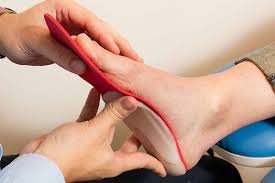
The Role of Custom Orthotics in Podiatry
Podiatry focuses on the feet, ankles, and lower limbs, and medical providers treat conditions ranging from bunions to nerve pain. A custom orthotic is a shoe insert molded to the shape of your foot. When your feet hurt, small changes to support and alignment make a significant difference in how you move. Here is more information on the role of these customized devices and how they can help:
Alleviating Pressure
Pressure builds when your body weight rests unevenly across the foot. A custom orthotic redistributes that load, and it shifts weight away from sore spots. Podiatrists may map these pressure points with scans or foam impressions before designing the insert. People with diabetes typically need this attention because high-pressure areas raise the risk of skin breakdown.
Certain conditions respond well to pressure relief through orthotics. These include:
- Plantar fasciitis
- Foot ulcers in diabetic patients
- Bunions and corns
When pressure spreads more evenly, the tissue under your foot faces less daily strain. A podiatrist reviews your gait, and the finished orthotic targets the exact zones that carry too much load. This targeted design separates custom devices at a podiatry clinic from store-bought inserts.
Correcting Biomechanical Issues
Biomechanics describes how your bones, muscles, and joints work together during movement. Poor alignment strains the wrong structures, and this leads to pain in the knees, hips, or back. A podiatrist studies your walking pattern before recommending correction. Small angle adjustments in an orthotic guide the foot into a steadier position.
Overpronation and supination are two major alignment problems that orthotics address. When the foot rolls too far inward or outward, the insert adds support where the arch needs it. Correction happens gradually, and your body adapts as the device holds the foot steady.
This process depends on an accurate fit taken during your appointment. It’s wise to follow your podiatrist’s guidance closely, as wearing orthotics improperly or inconsistently can delay progress, and any adjustments needed should be addressed promptly. While the process may take time, the gradual correction provided by orthotics improves foot alignment, and it also prevents further strain on other parts of the body, such as the knees and lower back.
Reducing Friction
Friction occurs when skin rubs repeatedly against a shoe or another part of the foot. Blisters, corns, and calluses form as a result, and these spots become painful over time. A custom orthotic smooths the contact surface beneath your foot. Runners and people who stand for long shifts may notice this benefit first.
Absorbing Shock
Every step sends force through your heel and up your leg. Orthotics with cushioned layers absorb part of that impact, and they aim to slow the transfer of shock to your joints. Athletes and older adults may need this feature during high-impact activity. A podiatrist matches the cushioning to your weight and daily habits.
Shock absorption depends on the density of the material under the heel and forefoot. Firmer sections give support, while softer sections dampen impact. When the two work together, your joints face less repeated stress. This balance is why a podiatrist tunes each orthotic rather than offering one standard design.
Schedule a Podiatry Clinic Visit
A podiatrist measures your feet, studies your movement, and adjusts the fit over several visits. If foot pain limits your daily activity, a professional assessment gives you clear answers. Book an appointment at a local podiatry clinic to discuss whether custom orthotics fit your needs. Bring your regular shoes, and be ready to describe when and where the pain appears.
