
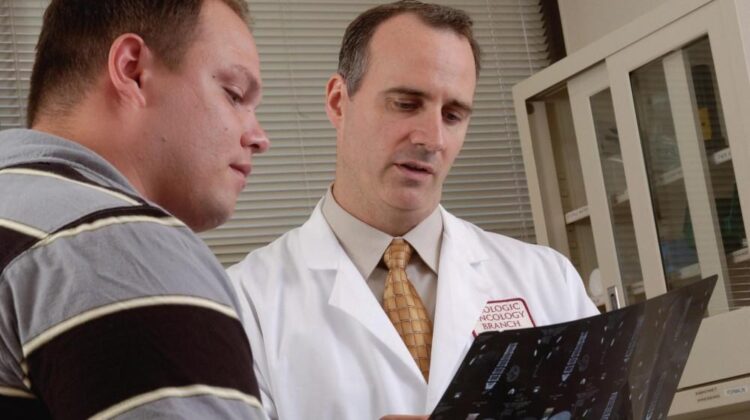
Key Questions to Ask Your Cardiologist About Heart Disease
A cardiologist is a doctor who specializes in diagnosing and treating conditions of the heart and blood vessels. Knowing which questions to ask helps patients use appointment times well and leave with a better understanding of their heart health. Key questions to ask a cardiologist about heart disease cover what heart disease is, how it is diagnosed, what treatments exist, and when to see a specialist.
What Is Heart Disease?
Heart disease is a broad term. It describes several conditions that affect the heart and blood vessels. Coronary artery disease, heart failure, and arrhythmia are all distinct conditions with different causes and outlooks.
Patients can ask the cardiologist to define the specific diagnosis in plain terms. A follow-up question is what caused the condition to develop. Some forms result from narrowed arteries. Others stem from problems with the heart muscle or its electrical signals.
A patient may ask which personal risk factors contributed to the diagnosis. These can include high blood pressure, high cholesterol, diabetes, smoking history, and family background. Understanding the cause helps clarify what comes next.
How Is It Diagnosed?
Diagnosis relies on tests, and each test measures something different. A patient may ask which tests were ordered and what each one looks for. Common examples include an electrocardiogram, which records the heart’s electrical activity, and an echocardiogram, which uses sound waves to produce images of the heart.
Interpretation matters as much as the test itself. A patient may ask what the results indicate about heart function. A specific follow-up is whether the findings fall within a normal range or point to a problem. If a number or measurement is mentioned, asking what that figure means in plain language can prevent confusion.
What Treatments Exist?
Treatment depends on the type and stage of heart disease. Options generally fall into three groups: medications, procedures, and lifestyle changes.
For medications, a patient can ask what each drug does and how often to take it. A useful follow-up is what side effects to watch for. Some medications lower cholesterol. Others control blood pressure or prevent blood clots. For procedures, a patient may ask whether one is recommended and what it involves. Patients can ask what the procedure aims to achieve and how long recovery takes.
A patient can also ask which specific lifestyle adjustments would help, such as changes to diet, physical activity, or smoking. A practical question is how to begin these changes safely. Asking how progress will be measured over time helps clarify the long-term plan.
See a Cardiologist
Heart disease covers many conditions, and the right questions help you understand yours. Start by asking your cardiologist what type of heart disease you have, what caused it, and which risk factors apply to you. Then ask how it was diagnosed and what your test results mean.
When you discuss treatment, ask about your medications, any recommended procedures, and the lifestyle changes that fit your situation. Confirm how often you should return and which symptoms warrant a call.
Bring these questions to your next appointment. Write down the answers, and ask your cardiologist to clarify anything that remains unclear before you leave.
