
What is the Best Treatment for Asthma and Allergies?
Asthma and allergies are two common health conditions that affect millions of people around the world. Many people even experience both at the same time. These conditions can make daily life uncomfortable, especially when symptoms are not controlled properly. The good news is that there are many effective treatments available today that can help people live a normal, active, and healthy life.
In this article, we will explain in simple and easy language what asthma and allergies are, what causes them, and what the best treatments are. We will also share helpful lifestyle tips and answer some frequently asked questions at the end.
Understanding Asthma and Allergies
What is Asthma?
Asthma is a long-term condition that affects the airways in your lungs. When someone has asthma, their airways become inflamed and narrow, making it difficult to breathe. This can lead to symptoms such as:
- Shortness of breath
- Wheezing (a whistling sound while breathing)
- Chest tightness
- Coughing, especially at night or early morning
Asthma attacks can be mild or severe. In some cases, they can become dangerous if not treated properly.
What are Allergies?
Allergies happen when your immune system reacts strongly to something that is usually harmless. These triggers are called allergens. Common allergens include:
- Dust
- Pollen from flowers and trees
- Pet dander (tiny skin flakes from animals)
- Mold
- Certain foods
When a person is exposed to these triggers, they may experience symptoms like sneezing, runny nose, itchy eyes, skin rashes, or even breathing problems.
What Causes Asthma and Allergies?
There is no single cause for asthma or allergies. Instead, they develop due to a combination of genetic and environmental factors.
Some common causes and triggers include:
- Family history of asthma or allergies
- Air pollution and smoke
- Dust and dust mites
- Strong smells like perfumes or chemicals
- Cold air or sudden weather changes
- Viral infections in childhood
- Stress and physical activity (in some asthma cases)
Understanding your personal triggers is very important because avoiding them is a big part of treatment.
Best Treatments for Asthma
Asthma cannot be completely cured, but it can be controlled very well with proper treatment. The main goal is to reduce symptoms and prevent asthma attacks.
1. Inhalers (Most Important Treatment)
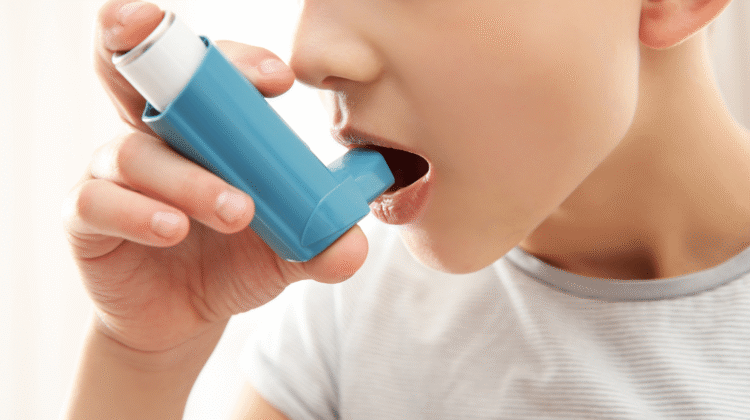
Inhalers are the most common and effective treatment for asthma. They deliver medicine directly into the lungs.
There are two main types:
- Reliever inhalers: These give quick relief during an asthma attack. They relax the muscles around the airways.
- Preventer inhalers: These are used daily to reduce inflammation and prevent symptoms from starting.
2. Nebulizers
A nebulizer is a machine that turns liquid medicine into a mist that you can inhale. It is often used for children or severe asthma cases.
3. Oral Medications
In some cases, doctors may prescribe tablets to reduce inflammation or control symptoms, especially during flare-ups.
4. Allergy Treatment for Asthma Control
If allergies are triggering asthma, treating allergies can also improve asthma symptoms. This may include antihistamines or allergy shots.
5. Emergency Treatment
In severe asthma attacks, emergency medical treatment may include oxygen therapy or strong medications given in hospitals.
Best Treatments for Allergies
Allergy treatment depends on the type and severity of the allergy. The goal is to reduce symptoms and avoid triggers.
1. Antihistamines
These are one of the most common allergy medicines. They help reduce sneezing, itching, and runny nose.
2. Nasal Sprays
Steroid nasal sprays reduce swelling inside the nose and help with breathing problems caused by allergies.
3. Eye Drops
For itchy or watery eyes, special allergy eye drops can provide relief.
4. Allergy Shots (Immunotherapy)
This is a long-term treatment where small amounts of allergens are injected into the body over time. It helps the immune system become less sensitive.
5. Avoiding Allergens
One of the most effective treatments is simply avoiding what causes your allergies. For example:
- Use dust-free bedding
- Keep windows closed during high pollen seasons
- Avoid pets if you are allergic to animal hair
- Keep your home clean and dry to prevent mold
Natural and Lifestyle Treatments
Along with medical treatments, lifestyle changes can greatly improve asthma and allergies.
1. Keep Your Environment Clean
Dust and dirt are common triggers. Regular cleaning helps reduce allergens at home.
2. Use Air Filters
Air purifiers can help remove dust, smoke, and pollen from the air.
3. Healthy Diet
Eating fruits and vegetables rich in vitamins can strengthen your immune system.
4. Exercise Carefully
Exercise is good for lung health, but people with asthma should warm up properly and avoid triggers like cold air.
5. Avoid Smoking and Pollution
Smoke is one of the worst triggers for asthma and allergies. Avoid smoking areas and polluted environments as much as possible.
6. Manage Stress
Stress can worsen asthma symptoms. Relaxation techniques like deep breathing, meditation, and yoga can help.
When to See a Doctor
You should see a doctor if:
- Your symptoms are getting worse
- You are using your inhaler too often
- You have frequent allergy flare-ups
- You experience difficulty breathing
- You wake up at night due to coughing or breathlessness
Regular check-ups are important to adjust treatment and keep your condition under control.
Living a Normal Life with Asthma and Allergies
With proper treatment, most people with asthma and allergies can live completely normal lives. The key is:
- Taking medicine regularly
- Avoiding triggers
- Following doctor’s advice
- Understanding your symptoms
Many athletes, students, and professionals manage asthma and allergies successfully every day. It is all about awareness and care.
Conclusion
There is no single “best” treatment for asthma and allergies because every person is different. However, a combination of medical treatment, lifestyle changes, and trigger avoidance works best for most people.
For asthma, inhalers are the most important treatment, while for allergies, antihistamines and avoiding allergens are highly effective. When both conditions are managed together, people can live healthy, active, and comfortable lives.
Always remember that proper diagnosis and medical guidance are very important before starting any treatment.
Frequently Asked Questions (FAQs)
1. Can asthma and allergies be cured permanently?
No, they cannot be completely cured, but they can be controlled very well with proper treatment and care.
2. What is the fastest relief for asthma attacks?
A reliever inhaler is the fastest way to open airways and reduce symptoms during an asthma attack.
3. Are allergies and asthma connected?
Yes, many people with allergies also have asthma. Allergies can often trigger asthma symptoms.
4. Can natural remedies replace medicine?
Natural remedies can help improve symptoms, but they should not replace prescribed medicines without a doctor’s advice.
5. How can I reduce asthma attacks at home?
You can reduce attacks by keeping your home clean, avoiding dust and smoke, using air filters, and taking medicines regularly.
