
When Should I Get Tested for Sexually Transmitted Infections?
Getting tested for sexually transmitted infections (STIs) is one of the most responsible steps you can take for your health and the health of your partner. Many people feel unsure or even nervous about when they should get tested, but the truth is that STI testing is simple, private, and often more important than people realize.
STIs are infections passed from one person to another through sexual contact. Some of the most common include chlamydia, gonorrhea, syphilis, HIV, and trichomoniasis. The tricky part is that many STIs do not show clear symptoms at first. That means a person can feel completely fine but still have an infection and unknowingly pass it to someone else.
So the big question is: when should you get tested for sexually transmitted infections? Let’s break it down in a simple and clear way.
1. Get Tested After Unprotected Sex
One of the most important times to get tested is after having unprotected sex. Unprotected sex means sexual contact without a condom or other barrier protection.
If you have had sex without protection—even just once—it is a good idea to get tested. This includes vaginal, anal, or oral sex. Even if your partner says they are “clean” or “safe,” testing is still important because many STIs do not show symptoms.
You don’t need to panic, but you should be responsible and check your health status. It’s better to know early than to find out later when complications develop.
2. If You Have a New Sexual Partner
Whenever you start a new sexual relationship, both partners should consider getting tested. This is one of the healthiest habits in modern relationships.
Even if both people feel fine, testing helps build trust and ensures that both partners are starting fresh. Think of it as a health check before becoming intimate.
Some couples even choose to get tested together, which can make the process feel more comfortable and supportive.
3. If You Notice Any Symptoms
While many STIs have no symptoms, some can still show signs. If you notice any of the following, you should get tested as soon as possible:
- Unusual discharge from the genitals
- Burning or pain while urinating
- Itching or irritation in the genital area
- Pain during sex
- Sores, bumps, or rashes around the genitals or mouth
- Unusual bleeding
Even if symptoms are mild, do not ignore them. Early testing helps with early treatment, and most STIs can be easily treated if caught early.
4. After Multiple Sexual Partners
If you have had more than one sexual partner, especially within a short time, regular testing becomes very important.
The more partners you have, the higher the chance of exposure to an infection. This does not mean anything negative about you—it simply means you should be proactive about your health.
Doctors often recommend people with multiple partners to get tested every 3 to 6 months, depending on their lifestyle.
5. If Your Partner Tests Positive
If your sexual partner tells you they tested positive for an STI, you should also get tested immediately, even if you feel fine.
Some infections spread easily without symptoms. Early testing helps prevent complications and also stops further spread to others.
In many cases, doctors may even recommend treatment for both partners at the same time to prevent reinfection.
6. During Routine Health Checkups
Even if you are not experiencing symptoms and think you are low-risk, regular STI testing is still a good idea.
Many healthcare professionals recommend:
- At least once a year for sexually active adults
- More frequently (every 3–6 months) if you have multiple partners
- More often if you are in a high-risk group
Routine testing is part of overall health care, just like blood pressure or cholesterol checks.
7. If You Are Pregnant or Planning Pregnancy
Pregnant women are usually tested for STIs as part of prenatal care. This is important because some infections can affect the baby during pregnancy or childbirth.
If you are planning to become pregnant, getting tested beforehand helps ensure a healthy pregnancy journey.
8. After Sharing Needles or Drug Equipment
Although STIs are mainly spread through sexual contact, some infections like HIV and hepatitis can also spread through shared needles.
If you have ever shared injection equipment, you should get tested as soon as possible.
9. After Sexual Assault
If someone has experienced sexual assault, STI testing is very important. Doctors can provide both medical care and emotional support in a safe and private environment.
Testing in this situation is not just about health—it is also about recovery and protection.
Why STI Testing Matters
Many people avoid testing because of fear or embarrassment. But STI testing is normal, responsible, and widely recommended around the world.
Here are a few important reasons why testing matters:
- It protects your health
- It protects your partner’s health
- It helps prevent long-term complications
- It stops infections from spreading
- It gives peace of mind
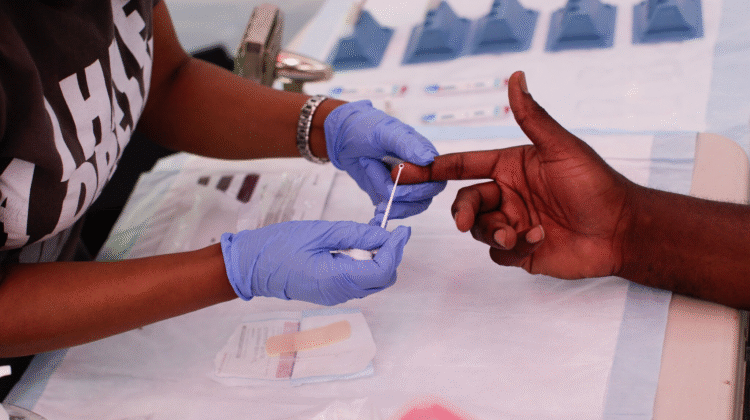
Most STI tests are quick, simple, and painless. They may involve a urine sample, blood test, or a swab.
How Often Should You Get Tested?
There is no single rule for everyone, but here is a simple guide:
- Low risk (one partner, long-term relationship): once a year
- New or multiple partners: every 3–6 months
- After unprotected sex or symptoms: immediately
- Pregnancy or planning pregnancy: as advised by doctor
Breaking the Stigma
One of the biggest problems around STI testing is stigma. Many people feel shy or scared to talk about it. But the truth is, sexual health is just as important as any other part of your body.
Getting tested does not mean something is wrong with you. It means you are taking responsibility and care of your health.
Doctors and clinics deal with STI testing every day. It is a normal medical service, not something to feel ashamed of.
Final Thoughts
Knowing when to get tested for sexually transmitted infections is an important part of staying healthy. The key times include after unprotected sex, when starting a new relationship, after noticing symptoms, or as part of regular health checkups.
STI testing is simple, private, and life-protecting. The earlier you test, the better you can protect yourself and others.
Taking control of your sexual health is not just responsible—it is empowering.
Frequently Asked Questions (FAQs)
1. Do I need symptoms to get tested for STIs?
No. Many STIs do not show symptoms at all. You can still have an infection even if you feel completely fine.
2. How long after sex should I wait before getting tested?
It depends on the infection, but generally 1–2 weeks after exposure is a good starting point. Some infections may require repeat testing later.
3. Is STI testing painful?
No. Most tests involve a urine sample, blood test, or simple swab. They are quick and usually painless.
4. Can STIs go away without treatment?
Some infections may go away on their own, but many do not. Without treatment, they can lead to serious health problems. It is always better to get tested and treated.
5. Where can I get tested for STIs?
You can get tested at hospitals, clinics, sexual health centers, or sometimes even through at-home testing kits, depending on your location.
