
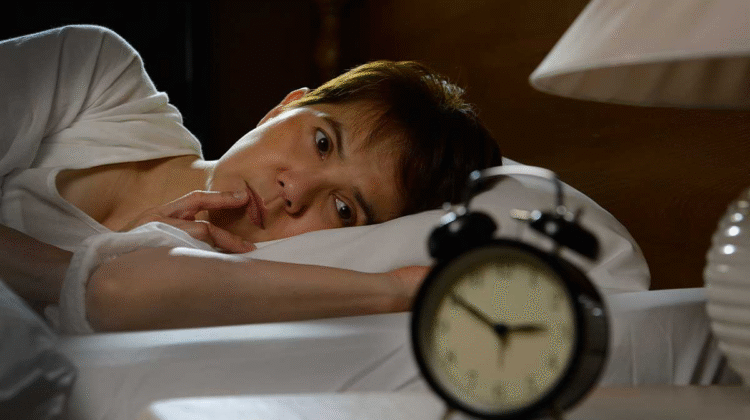
When Should I See a Sleep Specialist for Insomnia?
Insomnia is one of the most common sleep problems in the world. Many people struggle with falling asleep, staying asleep, or waking up too early and not being able to go back to sleep. At first, it might seem like a small issue. You think it will go away on its own, maybe after a stressful week or a change in routine. But for some people, insomnia becomes a long-term problem that affects daily life, mood, health, and productivity.
This leads to an important question: when should I see a sleep specialist for insomnia?
Understanding the answer can help you take better care of your sleep and overall health. In this article, we will explain what insomnia is, when it becomes serious, and when it is the right time to seek help from a sleep specialist.
What Is Insomnia?
Insomnia is a sleep disorder where a person has trouble sleeping even when they have the chance to rest. It is not just about one bad night. It usually involves repeated difficulty in:
- Falling asleep
- Staying asleep
- Waking up too early
- Feeling tired even after sleeping
There are two main types of insomnia:
- Short-term insomnia – lasts a few days or weeks, often caused by stress, travel, or temporary life changes.
- Chronic insomnia – lasts for at least three nights per week for three months or longer.
Short-term insomnia is common and often improves on its own. Chronic insomnia, however, usually needs proper attention.
Why Sleep Matters So Much
Sleep is not just rest. It is a time when your body repairs itself and your brain processes emotions, memories, and information. Without enough sleep, your body and mind cannot function properly.
Long-term insomnia can lead to:
- Constant tiredness
- Difficulty concentrating
- Memory problems
- Irritability and mood changes
- Weakened immune system
- Higher risk of anxiety and depression
This is why ignoring insomnia for too long can make life more difficult.
When Should You Start to Worry About Insomnia?
Not every sleep problem means you need a specialist. Everyone has a few sleepless nights sometimes. However, you should start paying attention if:
- You have trouble sleeping at least 3 nights a week
- This problem has lasted more than a few weeks
- You feel tired during the day even after sleeping
- Sleep problems are affecting your work, studies, or relationships
If these signs are present, your insomnia is no longer just a short-term issue.
When Should I See a Sleep Specialist for Insomnia?
Now let’s answer the main question clearly.
You should consider seeing a sleep specialist if:
1. Your insomnia lasts more than 3 months
If you have been struggling with sleep for a long time, it is unlikely to improve without help. Chronic insomnia often needs professional treatment.
2. It affects your daily life
If you feel exhausted during the day, struggle to focus, or notice changes in your mood, your sleep problem is affecting your quality of life.
3. You have tried basic solutions but nothing works
If you have already tried things like:
- Improving sleep habits
- Avoiding caffeine at night
- Reducing screen time before bed
- Creating a bedtime routine
and still cannot sleep properly, it may be time for expert help.
4. You feel anxious about sleeping
Some people develop “sleep anxiety,” where they worry so much about not sleeping that it becomes even harder to sleep. This cycle often needs professional guidance to break.
5. You suspect another sleep disorder
Sometimes insomnia is linked to other conditions like:
- Sleep apnea (breathing problems during sleep)
- Restless leg syndrome
- Depression or anxiety disorders
A sleep specialist can identify these hidden issues.
6. Your sleep medication is not helping
If you are using over-the-counter sleep aids or prescribed medication but still not sleeping well, it is important to get a proper evaluation instead of continuing self-treatment.
What Does a Sleep Specialist Do?
A sleep specialist is a doctor trained in diagnosing and treating sleep disorders. They do not only focus on insomnia but also other sleep-related problems.
When you visit a specialist, they may:
- Ask detailed questions about your sleep habits
- Review your medical history
- Suggest a sleep diary
- Recommend a sleep study if needed
- Create a treatment plan tailored to you
This treatment may include therapy, lifestyle changes, or medication depending on your condition.
Common Treatments for Insomnia
Sleep specialists usually start with safe and effective methods before medication. Some common treatments include:
1. Cognitive Behavioral Therapy for Insomnia (CBT-I)
This is one of the most effective treatments. It helps you change thoughts and behaviors that prevent good sleep.
2. Sleep hygiene improvement
This includes simple habits like:
- Going to bed at the same time every night
- Avoiding screens before sleep
- Keeping the bedroom dark and quiet
- Limiting caffeine and heavy meals at night
3. Relaxation techniques
Breathing exercises, meditation, and muscle relaxation can help calm the mind.
4. Medication (if needed)
In some cases, short-term medication may be used, but it is not the first option.
Why Early Help Is Important
Many people wait too long before seeing a specialist. They think insomnia is normal or something they just have to live with. But early treatment can prevent problems from getting worse.
Getting help early can:
- Improve sleep faster
- Reduce stress and anxiety
- Prevent long-term health issues
- Restore energy and focus
Living With Better Sleep
If you are struggling with insomnia, you are not alone. Millions of people experience it, and many successfully recover with the right support. The key is to recognize when self-help is not enough and when professional care is needed.
A sleep specialist is not just for severe cases. They are there to help anyone whose sleep is affecting their life in a negative way.
Final Thoughts
So, when should I see a sleep specialist for insomnia?
The simple answer is: when your sleep problems are persistent, affect your daily life, and do not improve with basic changes.
You do not have to wait until things become severe. Sleep is essential for your health, and getting help early can make a big difference.
If your nights are becoming a struggle and your days feel harder because of it, reaching out to a sleep specialist might be the step that helps you finally get the rest you need.
FAQs
1. Is insomnia always serious?
Not always. Short-term insomnia is common and usually caused by stress or temporary changes. It becomes serious when it lasts for months or affects daily life.
2. Can insomnia go away on its own?
Yes, short-term insomnia can go away without treatment. However, chronic insomnia usually needs lifestyle changes or professional help.
3. Do I need a doctor for mild insomnia?
If it is mild and occasional, you may not need a doctor. But if it becomes frequent or long-lasting, it is better to seek advice.
4. What is the most effective treatment for insomnia?
Cognitive Behavioral Therapy for Insomnia (CBT-I) is considered the most effective long-term treatment.
5. Can stress cause long-term insomnia?
Yes. High stress levels can lead to chronic insomnia if not managed properly. Stress management techniques can help improve sleep.
