
When Should I See an Eye Doctor for Blurry Vision?
Blurry vision is something most people experience at some point in life. Sometimes it happens suddenly, and other times it develops slowly over weeks or months. In many cases, it may be something simple like tired eyes or dryness. But in other situations, blurry vision can be a warning sign of a more serious eye problem or even a general health issue.
So the important question is: when should I see an eye doctor for blurry vision?
This article explains everything in simple words so you can understand what is normal, what is not, and when you should take action.
What Is Blurry Vision?
Blurry vision means that things look out of focus. You may feel like you are looking through fog, mist, or a dirty window. It can affect one eye or both eyes. Sometimes it happens all the time, and sometimes it comes and goes.
Blurry vision is not a disease itself. It is a symptom. That means something else is causing it.
Common signs of blurry vision include:
- Difficulty reading small text
- Trouble recognizing faces from a distance
- Needing to squint often
- Headaches after reading or screen use
- Eyes feeling tired or strained
Common Simple Causes of Blurry Vision
Not every case of blurry vision is serious. Many everyday causes can affect your eyesight temporarily.
1. Eye strain
Spending long hours on mobile phones, computers, or watching TV can make your eyes tired. This is called digital eye strain.
2. Dry eyes
When your eyes do not produce enough tears, vision can become blurry and uncomfortable.
3. Need for glasses
Sometimes blurry vision simply means your eyesight is changing, and you may need glasses or a new prescription.
4. Lack of sleep
Poor sleep affects your eyes and can make your vision temporarily unclear.
5. Allergies
Seasonal allergies can cause watery, itchy, and blurry eyes.
These problems are usually mild and improve with rest or simple treatment.
When Blurry Vision Becomes a Warning Sign
While some causes are harmless, blurry vision can also signal serious eye or health conditions. You should not ignore it if certain warning signs appear.
You should see an eye doctor if:
1. Blurry vision happens suddenly
If your vision becomes blurry all of a sudden, especially in one eye, it may be urgent. This can be linked to conditions like retinal problems or even stroke.
2. Blurry vision lasts more than a few days
Temporary blurriness from fatigue usually goes away quickly. If it continues for several days, it needs medical attention.
3. You have eye pain or pressure
Blurry vision with pain could indicate infections, inflammation, or glaucoma.
4. You see flashes or floaters
Seeing flashing lights or dark floating spots in your vision can mean problems with the retina.
5. You have diabetes or high blood pressure
These health conditions can damage eye blood vessels and cause vision changes.
6. You experience headaches with vision changes
Frequent headaches along with blurry vision may indicate eye strain or neurological issues.
7. One eye is different from the other
If one eye is clear and the other is blurry, it is important to get checked.
Serious Eye Conditions That Can Cause Blurry Vision
Some medical conditions behind blurry vision include:
1. Cataracts
A clouding of the eye lens that makes vision foggy.
2. Glaucoma
A condition where pressure builds inside the eye and can damage vision.
3. Diabetic retinopathy
Damage to eye blood vessels due to diabetes.
4. Macular degeneration
A disease that affects central vision, especially in older adults.
5. Eye infections
Infections can cause redness, pain, and blurry vision.
Early diagnosis is very important in these cases.
When You Should NOT Wait
You should not delay visiting an eye doctor if:
- Vision suddenly becomes blurry or worsens quickly
- You lose part of your vision
- You feel severe eye pain
- You had an eye injury
- You see a curtain-like shadow over your vision
These may be emergency situations.
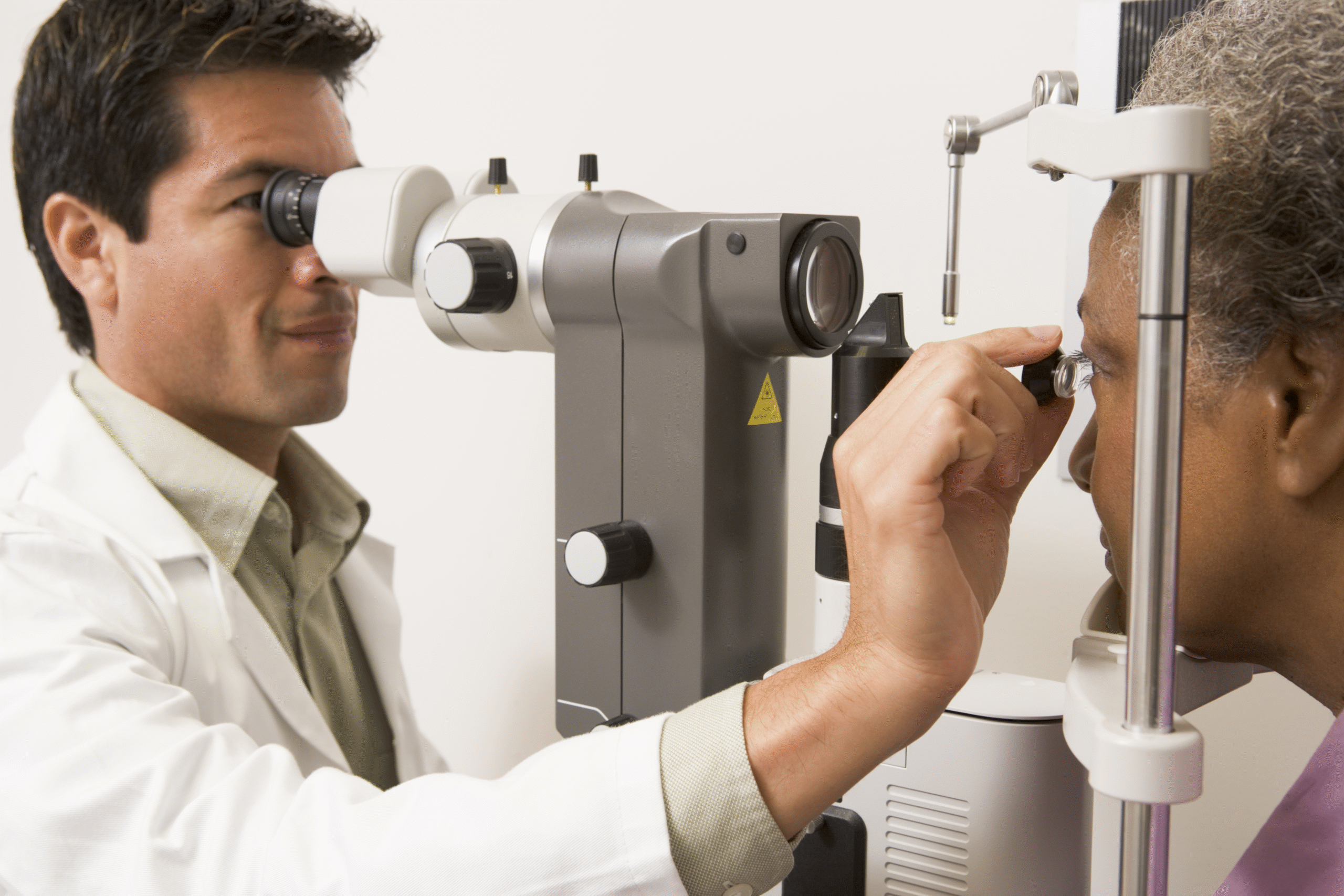
What Happens When You Visit an Eye Doctor?
Many people feel nervous about visiting an eye specialist, but the process is simple and painless.
The doctor may:
- Check your vision with reading charts
- Examine your eyes with special lights
- Test eye pressure
- Dilate your pupils for a deeper view
- Ask about your medical history
Based on the results, they may recommend glasses, eye drops, medication, or further tests.
How to Protect Your Eyes and Prevent Blurry Vision
You can take simple steps to keep your eyes healthy:
- Follow the 20-20-20 rule when using screens (every 20 minutes, look at something 20 feet away for 20 seconds)
- Wear sunglasses in strong sunlight
- Eat foods rich in vitamins A and C
- Stay hydrated
- Avoid rubbing your eyes
- Get regular eye check-ups
These habits can reduce strain and protect your vision.
Final Thoughts
Blurry vision is common, but it should never be ignored if it continues or worsens. Sometimes it is just tired eyes, but other times it can be a sign of a serious condition.
So, when should I see an eye doctor for blurry vision?
The answer is simple: whenever it is sudden, persistent, painful, or unusual.
Taking action early can protect your eyesight and prevent long-term damage. Your eyes are one of your most important senses, so it is always better to be safe and get them checked when something feels wrong.
FAQs
1. Is blurry vision always serious?
No, not always. It can be caused by tired eyes, dryness, or needing glasses. However, persistent or sudden blurry vision should be checked.
2. Can stress cause blurry vision?
Yes, stress and anxiety can sometimes cause temporary vision problems due to eye strain or tension.
3. How long should I wait before seeing a doctor?
If blurry vision lasts more than a few days or keeps coming back, you should see an eye doctor.
4. Can screen time cause blurry vision?
Yes. Too much screen time can lead to eye strain, dryness, and temporary blurred vision.
5. Can blurry vision go away on its own?
Sometimes yes, especially if it is caused by fatigue or dryness. But if it does not improve, medical help is needed.
